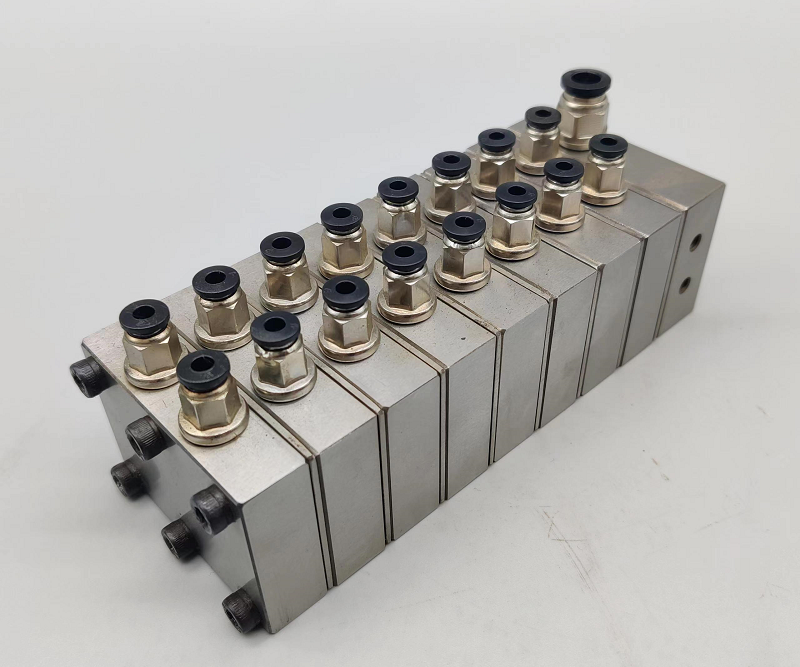
In the production of chemical fibres such as polyester, nylon and polypropylene, the melt is formed into fine streams via a spinneret and, after cooling and solidification, becomes primary fibres. Before drawing, guiding and winding, the fibres typically require coating with a certain amount of spinning lubricant to improve lubrication, fibre bundling and antistatic properties. The oil pump is installed between the oil storage tank and the oil application unit, and is responsible for metering, dispensing and continuously delivering the oil.
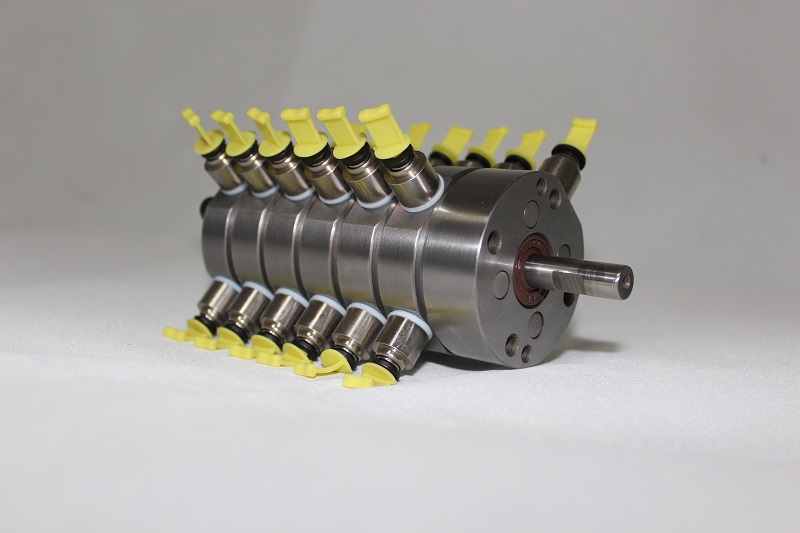
The primary role of the oil pump in the spinning oiling system
Oil pumps typically employ a gear-metering mechanism. When the drive shaft rotates the gears, the oil enters the enclosed space formed between the gear teeth and is subsequently conveyed to the outlet side. During operation, the theoretical output is related to the pump’s displacement and rotational speed, whilst the actual flow rate is also influenced by factors such as the viscosity of the oil, inlet conditions, outlet resistance and internal clearances.
By adjusting the speed of the oil pump, the oil supply rate per unit time can be altered to match the spinning speed, yarn bundle specifications and oiling requirements. An insufficient oil supply may result in increased friction within the yarn bundle, the build-up of static electricity or instability in the bundling state; conversely, an excessive oil supply is likely to cause oil accumulation in the yarn guide components and winding areas, thereby increasing the subsequent cleaning workload.
Metering and Distribution of Lubricant Across Multiple Spinning Stations
Chemical fibre production lines typically have multiple spinning stations, each requiring a continuous supply of lubricant. The lubricant pump features a single inlet and multiple outlets, with each outlet connected to the corresponding lubrication line; this reduces the number of pump units required and allows for a more centralised pipework layout.
Differences in Application Between Lubricant Pumps and Spinning Pumps
Both lubricant pumps and spinning pumps can utilise gear metering, but they differ in their installation locations and the media they convey. Spinning pumps are installed upstream of the spinneret assembly and primarily meter polymer melt or spinning solutions; lubricant pumps are installed within the fibre lubrication system and convey spinning lubricants or lubricant emulsions.
Oil pumps are generally characterised by a lower displacement and a greater number of outlets, making them suitable for the continuous supply of low-viscosity materials. Spinning pumps, on the other hand, must be designed taking into account melt temperature, pressure and the resistance of the spinneret assembly; the two types of equipment cannot be interchanged solely on the basis of their external appearance or connection dimensions.
Process parameters required for selection
Before selecting a lubricant pump, the following must be specified: the name of the lubricant, operating viscosity, operating temperature, flow rate per outlet, number of outlets, operating speed and pipeline pressure. For lubricants with a certain degree of corrosiveness, the pump housing, gear and shaft materials must also be selected according to the properties of the material.
The pump’s displacement should be matched to the actual operating speed. If the displacement is too high, a lower speed will be required to control the flow rate; if the displacement is too low, the speed will need to be increased to meet the oil supply requirements. Both situations may affect the operational condition of the equipment. Therefore, the displacement should be determined based on the oil consumption during normal production, whilst allowing for an appropriate margin to accommodate adjustments to product specifications.
Operational and Maintenance Precautions
The oil should be filtered before entering the pump housing to minimise the ingress of particulate impurities into the gear meshing area. Prior to start-up, ensure that the inlet pipework and pump chamber are already filled with material to avoid prolonged dry running. When changing the type of oil or after the equipment has been shut down, the pump housing and pipework should be flushed in accordance with the oil’s properties to minimise the build-up of residues.
During operation, monitor whether oil is flowing continuously from all outlets and inspect the couplings, seal locations and pipework joints. Should there be any changes in flow rate, carry out a systematic inspection, checking for filter blockages, air ingress in the pipework, changes in oil viscosity and wear of internal components.
Tianjin Ruicheng Pump Industry can configure oil pumps according to actual operating conditions, such as the chemical fibre production process, the number of spinning stations and the oil consumption per outlet, and can select a suitable drive unit based on site conditions. Providing complete material and operating parameters during the selection process will assist in determining the appropriate displacement, number of outlets and equipment configuration.