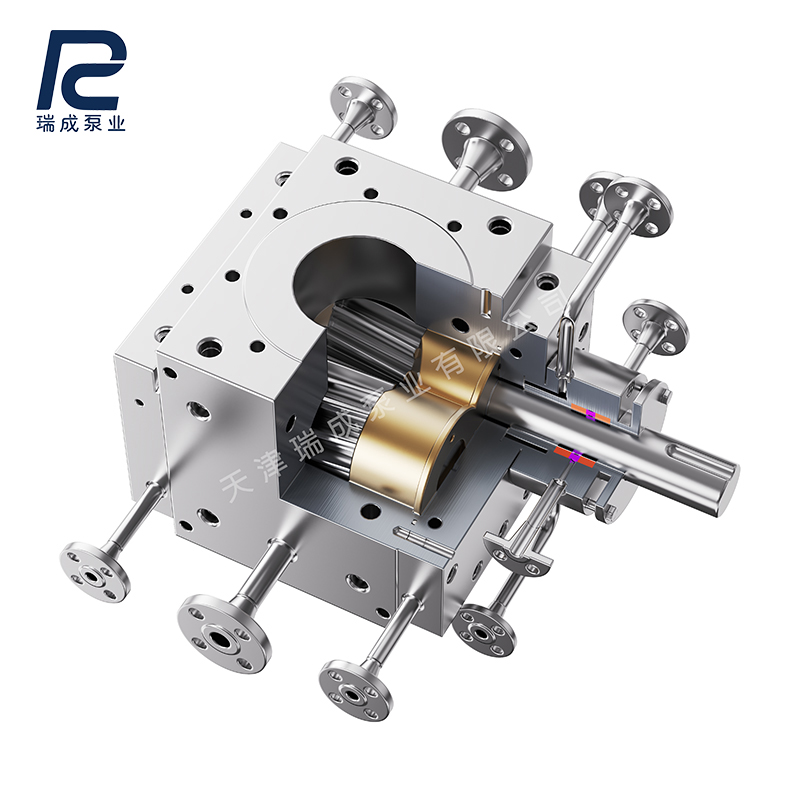
In the research and development of polymer materials, fine chemicals, and new materials, small-scale reactors are commonly used for formulation testing, pilot-scale upscaling, and small-batch production. After materials undergo polymerization, condensation, or mixing, their viscosity often increases, making it difficult to discharge them continuously by gravity alone. Melt pumps for small-scale reactors are typically installed at the discharge port at the bottom of the reactor to convey the melt, increase pressure, and regulate flow rate, and to feed the material to subsequent processes such as filtration, pelletization, coating, or filling.
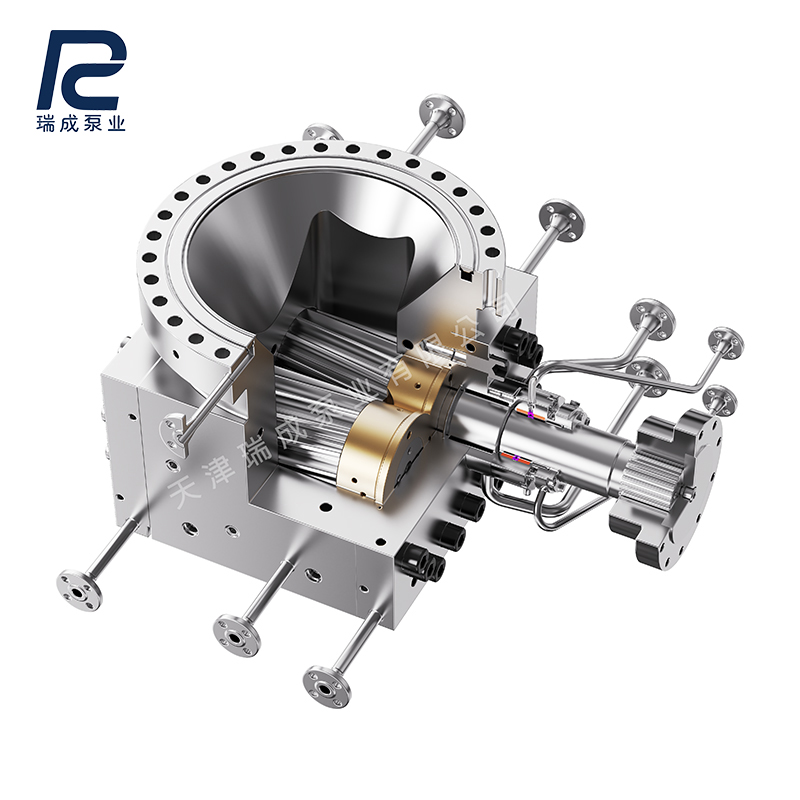
Operating Characteristics of Melt Pumps for Small Reactors
This equipment typically employs a positive-displacement gear pump design. As the gears rotate, the material is conveyed from the inlet side to the outlet side; the actual output volume depends on the pump’s displacement, rotational speed, and inlet filling condition. By adjusting the rotational speed via a variable-frequency drive, the conveying rate can be modified to meet process requirements.
For high-viscosity or vacuum discharge conditions, the inlet flow path should remain unobstructed to reduce feeding resistance. The pump body can also be equipped with electric heating or thermal oil heating depending on the material temperature, thereby reducing the cooling and resulting increase in viscosity of the melt within the flow path.
Laboratory and Pilot-Scale Processes
In the research and development of polymer formulations—such as specialty resins and biodegradable materials—batch sizes are typically small, but it is necessary to observe process changes under different temperature, pressure, and flow rate conditions. Small-sized melt pumps can be paired with laboratory or pilot-scale reactors to provide continuous feeding for sampling, filtration, tape casting, and small-scale pelletizing units.
By adjusting the pump speed, it is also possible to compare the flow characteristics of different formulations, providing a reference for subsequent process scale-up and equipment configuration.
Small-Batch Production of Specialty Materials
Some specialty materials are characterized by a wide variety of types and low batch yields. If the pump’s displacement is too large, insufficient inlet filling or an inappropriate flow rate adjustment range may occur during low-speed operation. Selecting a small melt pump that matches the reactor capacity, batch yield, and planned discharge time helps control the discharge rate.
When conveying functional resins, certain medical polymer raw materials, or heat-sensitive materials, the choice of wetted materials, internal clearances, and heating methods should be based on the material properties, while also considering changeover and cleaning requirements.
Conveying Fine Chemicals and Pharmaceutical Intermediates
Certain fine chemicals or pharmaceutical intermediates remain in a molten state or as highly viscous fluids after the reaction is complete and must be conveyed from the reactor to filtration, cooling, molding, or packaging equipment. Small reactor melt pumps can generate outlet pressure at lower flow rates to overcome resistance from piping and filtration components.
For such applications, it is essential to confirm in advance whether the medium contains hard particles or is corrosive, as well as the permissible transfer temperature and residence time, before determining the pump body material and seal configuration.
Selection and Operational Precautions
Equipment selection should not be based solely on reactor volume; it is also necessary to verify the material’s viscosity, operating temperature, inlet and outlet pressures, planned flow rate, corrosiveness, and cleaning requirements. For vacuum applications, pay attention to inlet priming and shaft seals; for materials prone to solidification, ensure continuous heat tracing of the pump body, flanges, and piping; for media containing impurities, install appropriate upstream filtration measures.
Before startup, preheat the system thoroughly and ensure the pump chamber is adequately filled to prevent dry running. Properly matching displacement, rotational speed, materials, seals, and temperature control methods helps ensure a smooth transition from discharge in small reactors to downstream processes.