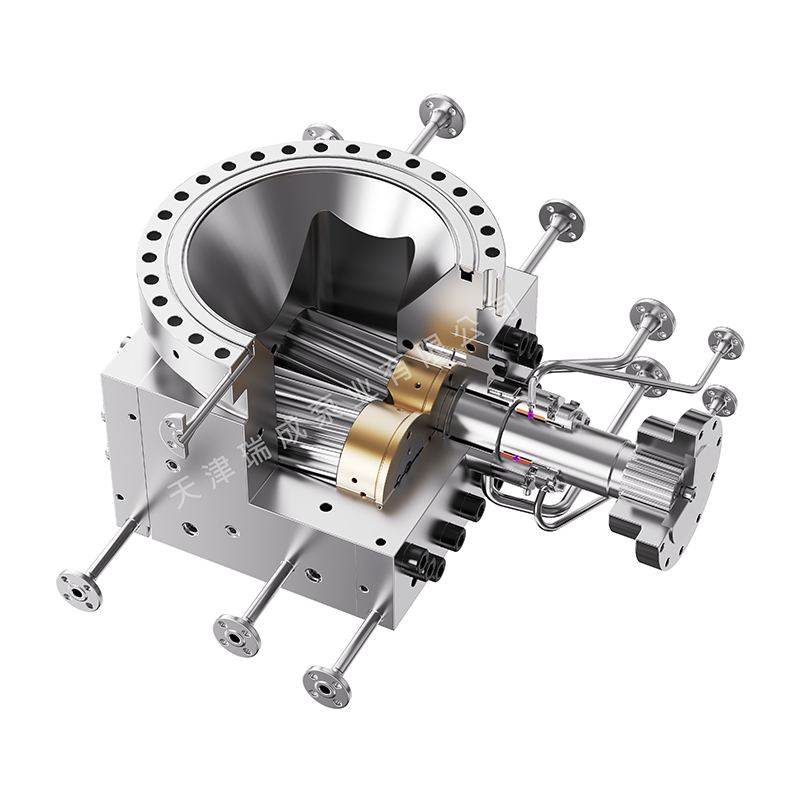
When high-viscosity materials are discharged from the bottom of a reactor, many issues—such as unstable discharge, pressure fluctuations, or reduced conveying efficiency—often stem from problems that were already present during the pump selection phase. Due to the materials’ high viscosity, temperature sensitivity, and poor flowability—and in some cases, the presence of vacuum, pressure fluctuations, or the need for continuous conveying—an improperly selected bottom-of-reactor pump may result in problems such as poor discharge, unstable pressure, excessive pump load, and accelerated seal wear. Therefore, providing complete operating parameters prior to selection is a crucial prerequisite for ensuring proper equipment matching.
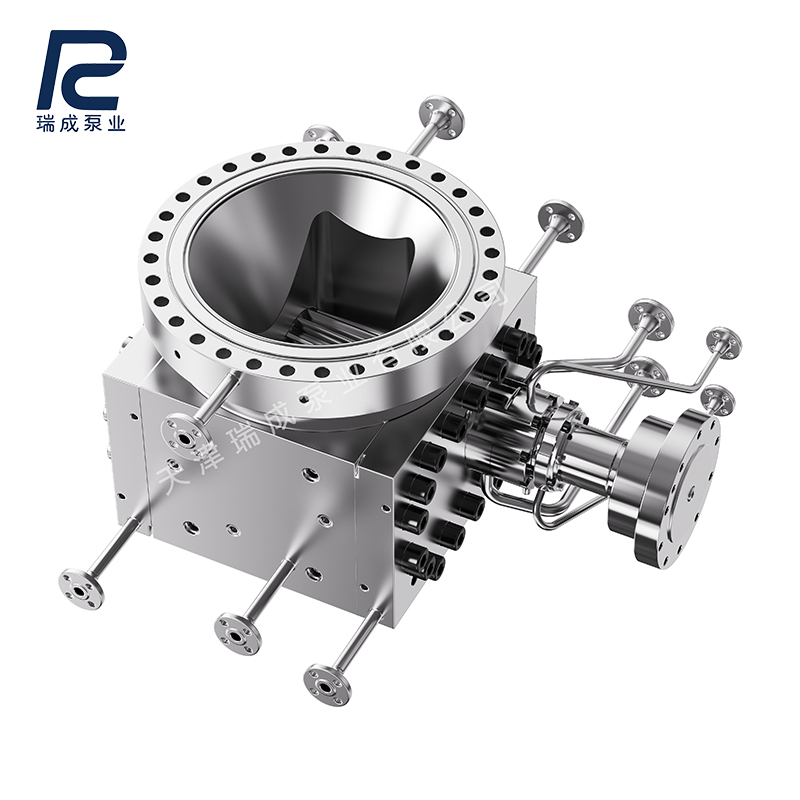
First, the basic information about the material to be conveyed must be clarified. This includes the material name, state (whether it is a polymer melt, resin, rubber, adhesive, or other high-viscosity medium), as well as the viscosity range, density, and whether it contains fillers, particles, impurities, or corrosive components. Different materials impose varying requirements on the pump body material, gear structure, shaft sleeve material, and seal type. This is particularly true for high-viscosity, crystallizable, degradable, or slightly corrosive media, which must be specified in advance during the selection phase.
Second, process temperature parameters must be provided. Bottom-of-reactor pumps are typically installed at the bottom of a reactor or on the bottom discharge line; the operating temperature directly affects material flowability and the thermal expansion of the equipment. Users should specify the normal operating temperature, maximum temperature, startup heating method, thermal insulation requirements, and on-site heating conditions available—such as electric heating, thermal oil heating, or jacket insulation. Temperature parameters not only affect the structural design of the pump body but also influence the selection of seals, bearings, couplings, and the配套 motor.
Third, flow rate or production capacity requirements must be clarified. Common expressions include hourly discharge volume, discharge time per batch, continuous production output, reactor volume, and the desired transfer rate. For gear-type bottom-discharge pumps, displacement, rotational speed, and material viscosity collectively affect the actual transfer capacity. Only by providing a relatively accurate flow rate range can the pump specifications be properly matched, avoiding excessively long discharge times due to insufficient displacement, as well as unstable low-speed operation or wasted investment caused by excessive displacement.
Fourth, inlet and outlet pressure conditions must be provided. Common operating conditions for bottom-mounted pumps include vacuum discharge, atmospheric discharge, pressurized discharge, and situations where there is some backpressure in the downstream piping. Therefore, it is necessary to specify the pressure or vacuum level inside the reactor, the pump inlet pressure, the target pump outlet pressure, and the resistance generated by downstream filters, screen changers, piping, valves, static mixers, or die heads. The inlet and outlet pressures determine the pump’s pressure differential range and also affect the configuration of the motor power, drive system, and seal design.
Fifth, installation and connection parameters must be provided. These include the reactor bottom connection dimensions, flange standards, inlet and outlet directions, pipe diameters, installation space, equipment center height, whether variable frequency control is required on-site, whether an explosion-proof motor is needed, and any special seal flushing or cooling requirements. Bottom-of-reactor pumps are typically connected directly to the reactor, piping, and downstream equipment. The clearer the installation conditions are, the better the design match will be, and the smoother the subsequent installation and commissioning will proceed.
In addition, the production method and control requirements should be specified. For example, whether production is continuous or batch-based; whether interlocking with the reactor’s liquid level, pressure, or downstream equipment is required; whether variable-frequency speed control is needed; and whether data such as pressure, temperature, and rotational speed need to be fed into the control system. For production lines with high requirements for discharge stability, a properly configured control system helps mitigate flow fluctuations and improve process integration.
When selecting bottom-of-reactor pumps, Tianjin Ruicheng Pump Industry conducts a comprehensive analysis of material characteristics, temperature ranges, viscosity variations, pressure conditions, production capacity requirements, and on-site installation conditions to provide users with recommendations on suitable pump models, flow rates, materials, seals, and heating methods. A bottom-of-reactor pump is not a one-size-fits-all standard component, but rather a conveying device that must be tailored to actual operating conditions. The more complete the selection data, the more targeted the solution will be, and the more conducive it will be to achieving continuous, stable, and controllable discharge performance during subsequent production.