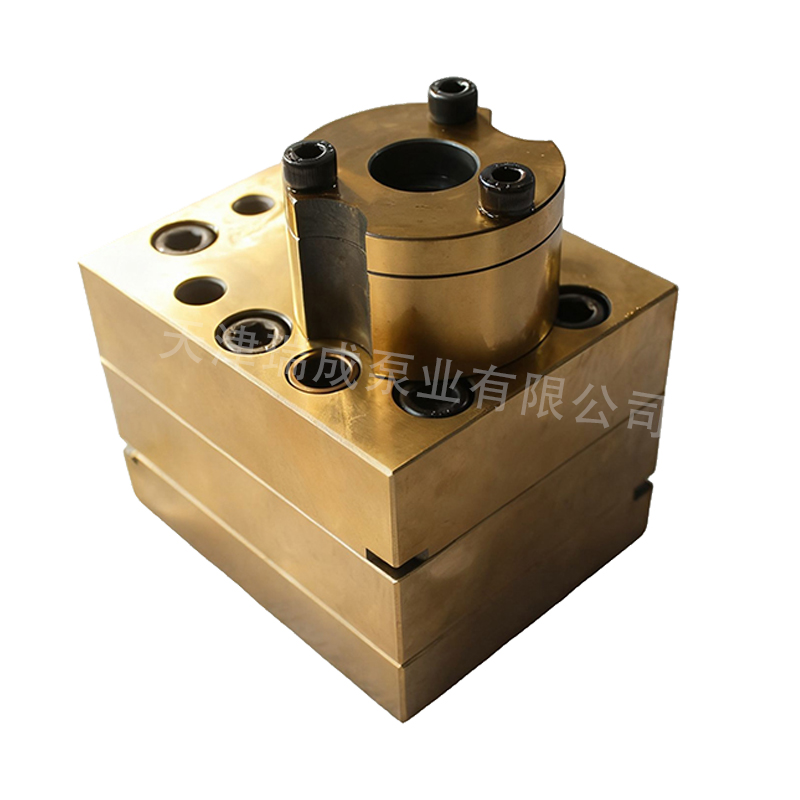
During the production and use of hot-melt adhesives, butyl rubber, sealants, coating adhesives, and laminating adhesives, many companies encounter similar issues: high viscosity and poor flowability of the adhesive, which can lead to unstable dispensing, inaccurate metering, pressure fluctuations, or pipeline blockages when using conventional conveying methods. So, are adhesive pumps actually suitable for conveying high-viscosity adhesives?
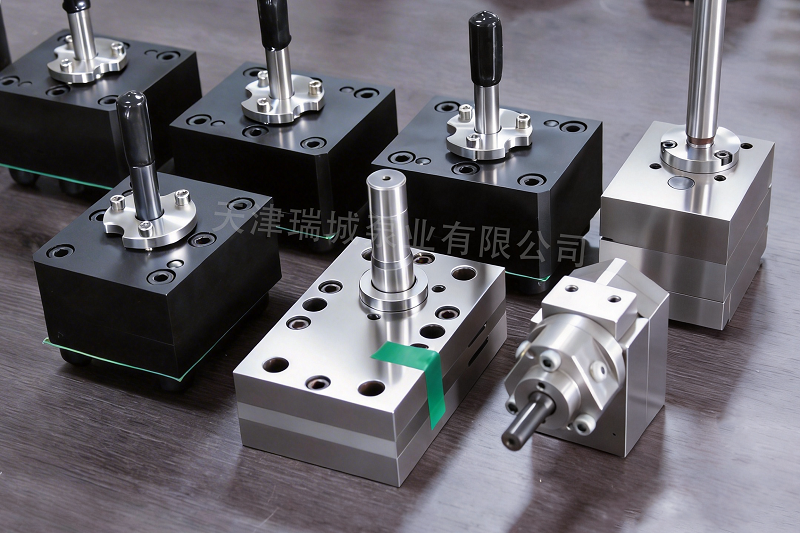
Positive displacement gear pump structure. During operation, the motor drives the meshing gears to rotate; once the adhesive enters the gear-tooth spaces, it is continuously conveyed toward the outlet, ensuring relatively stable delivery and metering. Gear pumps are a type of positive displacement pump. From a working principle perspective, adhesive pumps predominantly utilize positive displacement technology and are widely applied in the conveyance of high-viscosity media. It is important to note that there are many types of adhesives with significant variations in viscosity. Viscosity levels do not necessarily correlate with bonding strength, so equipment selection must still be based on specific process conditions.
Therefore, adhesive pumps can be used for conveying certain high-viscosity adhesives, provided that the equipment’s structure, materials, sealing design, heating method, and control system are compatible with the adhesive’s characteristics. For media significantly affected by temperature, such as hot melt adhesives and butyl rubber, temperature control is particularly important. If the adhesive temperature is too low, viscosity increases, leading to higher startup resistance for the pump and greater pipeline resistance. This can result in issues such as increased motor load and intermittent adhesive discharge. Such operating conditions typically require electric heating or thermal oil heating systems to maintain the pump body, piping, and adhesive within an appropriate temperature range.
When selecting a pump, one should not focus solely on the term “high viscosity.” It is also essential to clarify the adhesive’s viscosity range, operating temperature, whether it contains fillers, whether it is prone to curing, whether it is corrosive, the required flow rate, discharge pressure, and continuous operating time. For example, adhesives containing particles or fillers place higher demands on the wear resistance of gears, bushings, and the pump housing; adhesives prone to skin formation or curing require attention to cleaning, maintenance, and heat retention during downtime; for coating, laminating, and encapsulation processes with high adhesive output requirements, priority should be given to the pump’s displacement, speed control, and metering stability.
Tianjin Ruicheng Pump Industry Co., Ltd. typically provides tailored recommendations for adhesive pumps, hot-melt gear pumps, melt pumps, and related metering and conveying equipment based on the characteristics of the adhesive and process parameters at the customer’s site. For high-viscosity adhesives, the proper approach is not simply to select a larger pump model, but to conduct a comprehensive selection process that considers rotational speed, discharge rate, seals, temperature control, and drive power. Only when the pump’s structure is adapted to the state of the medium can fluctuations in adhesive output be minimized, the risk of abnormal wear be reduced, and the stability of continuous production line operation be enhanced.
Overall, adhesive pumps are suitable for many high-viscosity adhesive transfer applications, but not all adhesives can be directly accommodated by the same model. Before purchasing, companies should provide as much information as possible—including the adhesive name, viscosity, temperature, flow rate, pressure, pipeline length, and operating conditions—so that technical personnel can evaluate and select the appropriate model. This not only helps ensure stable equipment operation but also allows the adhesive pump to perform more effectively in terms of metered dispensing, continuous transfer, and process integration.