In plastic extrusion production, before the material enters the die from the extruder, it often undergoes a filtration process to minimize the impact of impurities, unmelted particles, and carbonized matter on downstream processes. The screen changer is one of the key pieces of equipment that performs this function and is commonly used in production lines for pelletizing, sheet, board, film, pipe, and recycled plastic processing.
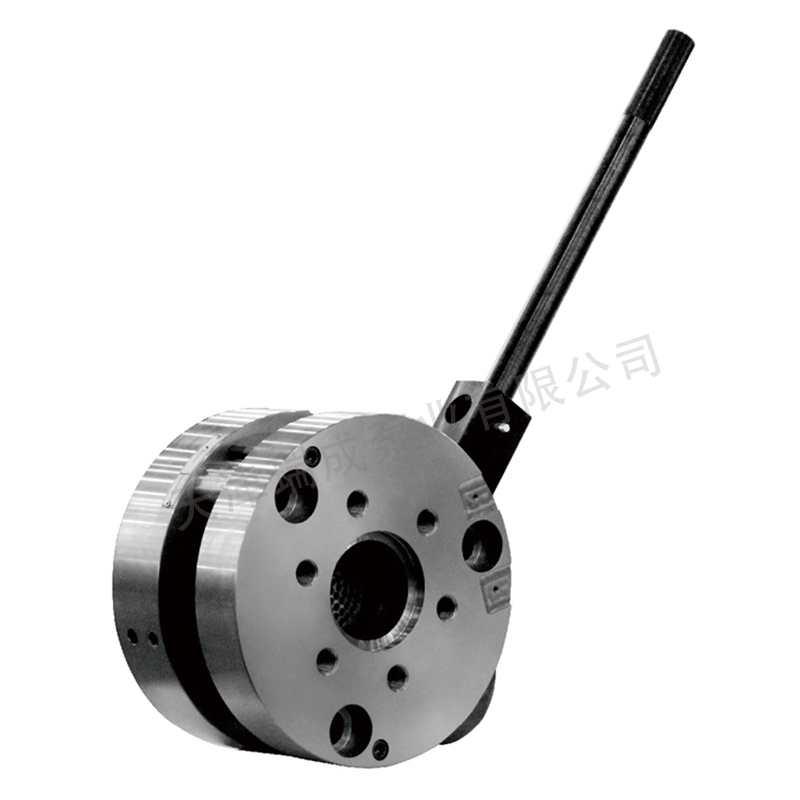
Screen changers are typically installed between the extruder and the die, though they can also be used in conjunction with melt pumps depending on process requirements. Inside the unit, the molten material is filtered through a screen; as the melt flows through the screen, impurities are trapped, and relatively clean material continues into the die or subsequent equipment, thereby reducing issues such as black spots, crystalline spots, impurity particles, and die blockages.
The role of screen changers is particularly significant in the processing of recycled and modified plastics. Since raw materials may contain small amounts of impurities or incompletely plasticized particles, failure to filter them can easily compromise product surface quality and increase the operational load on equipment such as die heads and melt pumps. Properly configuring screen changers helps improve melt cleanliness and maintain production stability.
As demands for continuous production increase, many production lines opt for non-stop screen changers or automatic screen changers. Compared to the traditional method of stopping production to replace screens, these devices allow screen changes to be performed during operation, reducing downtime and material waste while minimizing pressure fluctuations caused by screen changes.
In practical applications, screen changers are often used in conjunction with melt pumps. The screen changer is responsible for filtering impurities, while the melt pump handles pressure stabilization, pressurization, and metered delivery. When used in conjunction, they improve melt delivery stability and minimize the impact of fluctuating filtration resistance on downstream processes, making them suitable for applications with high demands for continuous production and product quality.
When selecting a screen changer, a comprehensive assessment must be made based on material type, output, filtration precision, operating temperature, operating pressure, and screen-changing method. Different production lines have varying requirements for filtration effectiveness and screen-changing efficiency; proper selection ensures the equipment performs optimally.
Overall, a screen changer is not merely a simple filtration device; it directly impacts melt cleanliness, equipment operational stability, and product quality. For production lines involved in plastic extrusion, pelletizing, and recycled material processing, the proper configuration of a screen changer is a critical factor in enhancing production continuity and product consistency.
Tianjin Ruicheng Pump Industry not only offers a range of screen changer models but also provides melt pump solutions tailored to meet the specific needs of customers’ production lines. By effectively integrating melt pumps with screen changers, we help production lines achieve filtration, pressure stabilization, pressure boosting, and continuous conveying, thereby enhancing system operational stability.