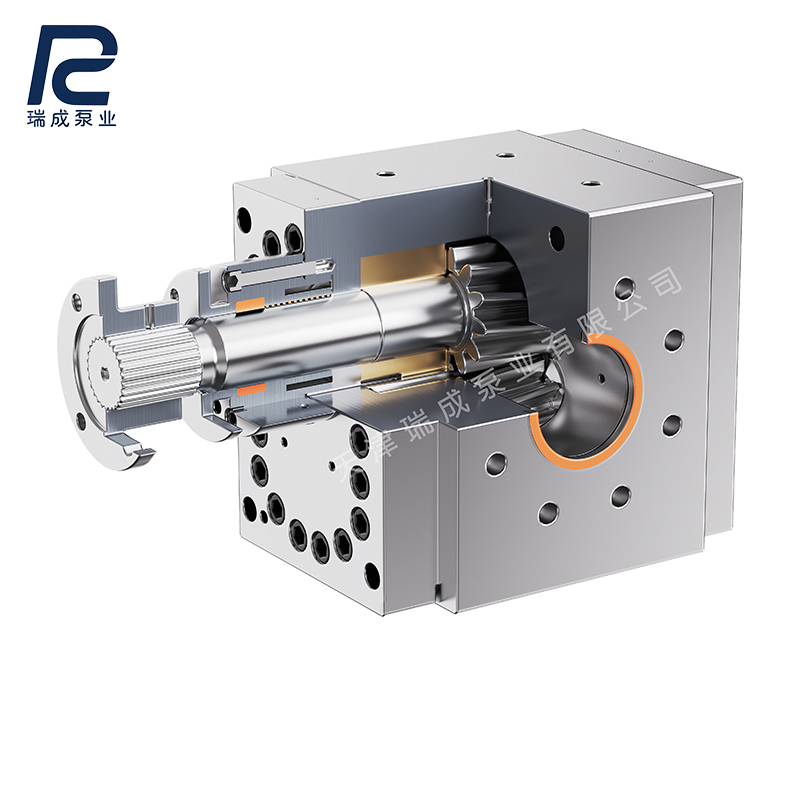
In the fields of plastic extrusion and polymer processing, melt pumps serve as critical conveying equipment, performing functions such as pressure stabilization, pressure boosting, and metered delivery. As production processes demand higher product quality standards, the use of melt pumps and their associated control systems has become increasingly widespread in production lines for sheet, film, pipe, pelletizing, and synthetic fiber applications. With ever-increasing product quality requirements, relying solely on the extruder for material supply is no longer sufficient to meet the demands for pressure stability and flow uniformity in certain processes. Consequently, an increasing number of companies are adopting melt pumps and their associated control systems to achieve more stable melt delivery.
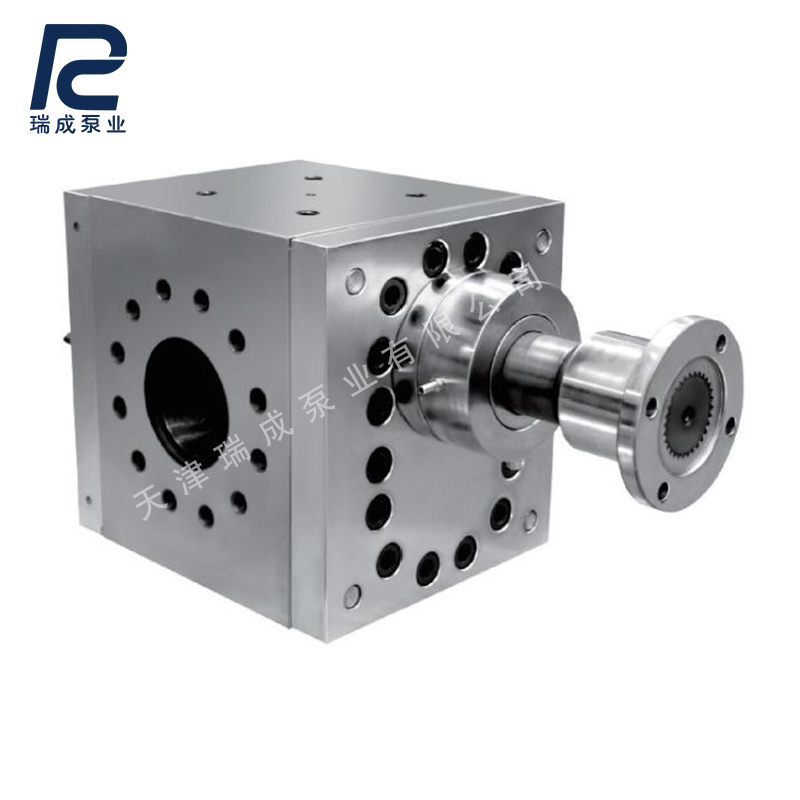
A melt pump is a positive-displacement gear-type conveying device primarily installed between the screw extruder and the die head. During operation, the continuous meshing of the drive gear and driven gear conveys the molten polymer from the inlet to the outlet, enabling continuous melt delivery, pressure boosting, and flow regulation. Compared to relying solely on the screw to generate pressure, melt pumps can mitigate the impact of extruder speed fluctuations, variations in material plasticization, and changes in filter resistance on downstream processes to a certain extent.
In actual production, the performance of melt pumps is inseparable from the coordination of the control system. By collecting real-time operational data, the system adjusts the melt pump speed to ensure a smoother conveying process.
Pressure control is one of the key functions of the melt pump control system. During production, system pressure fluctuates as screen changer clogging increases, die resistance changes, or material properties vary. The control system adjusts the melt pump’s operating status based on pressure feedback signals, maintaining a relatively stable operating condition throughout the production process. For processes such as sheet extrusion, cast film, blown film, pipe extrusion, and precision extrusion, stable pressure conditions help improve product dimensional consistency.
Temperature control is equally a critical aspect of melt pump operation. Polymer melts are highly sensitive to temperature changes, and fluctuations can affect material viscosity and flow characteristics. Melt pumps are typically equipped with electric heating or thermal oil heating systems, and the control system manages the pump body temperature to provide an optimal operating environment for melt conveyance.
With the advancement of automation, modern melt pump control systems also feature operational monitoring, data logging, and alarm protection functions. When the equipment experiences abnormal pressure, temperature overshoot, or changes in motor load, the system can issue alerts, enabling operators to address issues promptly and minimize the impact of abnormal conditions on production.
Currently, melt pumps and their control systems are widely used in the processing and production of materials such as PP, PE, PET, PA, ABS, TPU, EVA, PLA, and PBAT. In fields including pelletizing, sheet extrusion, film production, pipe manufacturing, synthetic fibers, and hot melt adhesives, the proper configuration of melt pumps and control systems can provide more uniform melt delivery conditions for production lines, meeting the demands of continuous production.
Tianjin Ruicheng Pump Industry Co., Ltd. specializes in the R&D and manufacturing of melt gear pumps, melt metering pumps, high-temperature and high-pressure melt pumps, melt booster pumps, and related control systems. Based on different material properties, flow rate requirements, and process specifications, the company provides tailored melt delivery solutions to meet application needs in plastic extrusion, pelletizing, synthetic fibers, hot melt adhesives, and polymer material processing.