In the production of polymer materials—such as plastic extrusion, sheet, plate, film, pipe, pelletizing, chemical fiber spinning, and rubber processing—the stability of melt delivery directly impacts product quality and production efficiency. With the advancement of precision extrusion technology, an increasing number of production lines are being equipped with melt pump control systems. These systems enable stable management of pressure, temperature, and flow rate through automated control, thereby enhancing the operational stability of the entire production line.
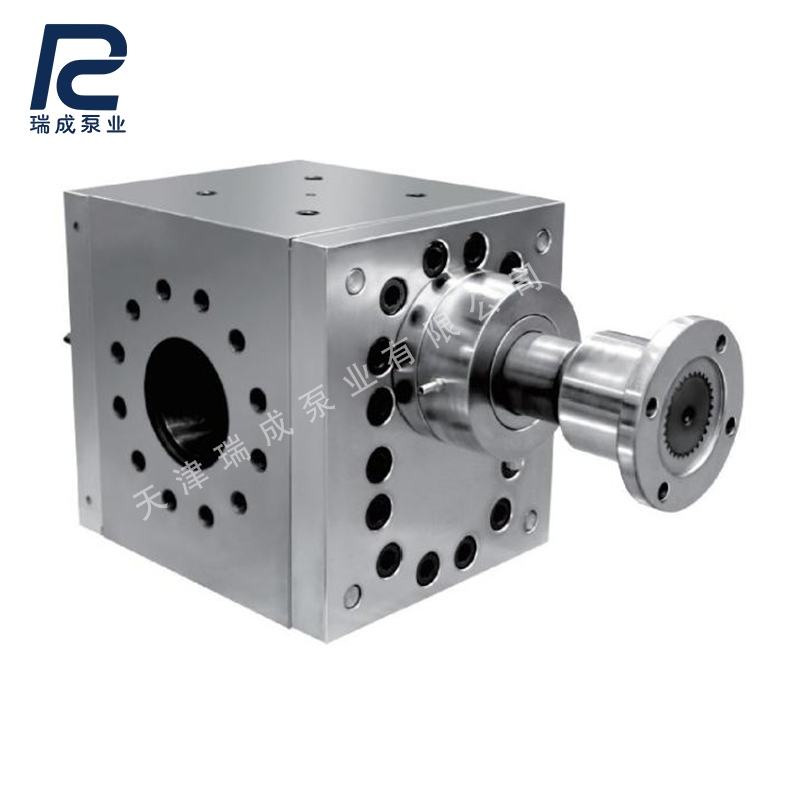
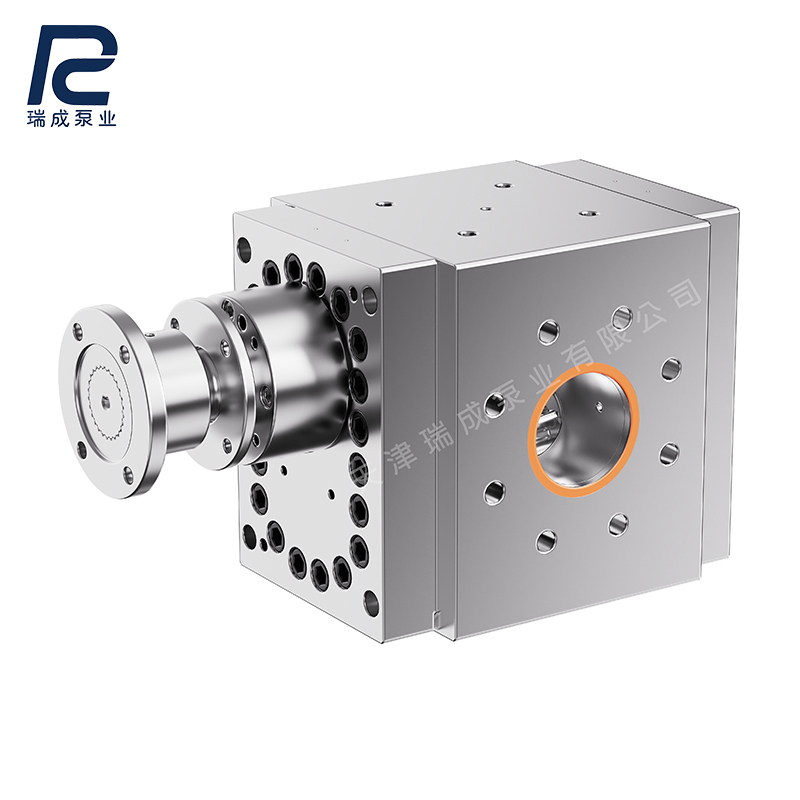
The melt pump itself is a positive-displacement gear-type conveying device primarily responsible for pressurizing, stabilizing, and metered delivery of the melt. The control system acts as the “central nervous system” of the melt pump, monitoring equipment operating conditions in real time and automatically adjusting operating parameters according to process requirements to ensure continuous and stable melt delivery.
During actual production, the outlet pressure of the extruder is influenced by factors such as raw material fluctuations, changes in feed rates, screen clogging, variations in screw speed, and changes in material viscosity. If the extruder is relied upon solely to establish system pressure, pressure fluctuations often occur, which in turn affect product dimensional stability and surface quality. The melt pump control system uses pressure sensors to collect real-time pressure signals, feeds this data back to the controller, and then automatically adjusts the motor speed to maintain the melt pump’s output pressure within a set range, thereby minimizing the impact of pressure fluctuations on production.
In addition to outlet pressure control, inlet pressure monitoring is equally important. When extruder feeding is unstable, the control system can promptly generate adjustment signals based on changes in inlet pressure, ensuring more coordinated operation of upstream equipment. This interlinked control method enhances the continuity of melt delivery and reduces product quality issues caused by feeding fluctuations.
Temperature control is also a vital component of the melt pump control system. Polymer melts are typically sensitive to temperature changes; excessively high temperatures may cause material degradation, while excessively low temperatures increase delivery resistance. By using temperature sensors to monitor the pump body temperature in real time and automatically adjusting it in conjunction with an electric heating system, the equipment can be maintained within an appropriate process temperature range at all times, creating conditions for stable conveyance.
With the continuous advancement of automation, modern melt pump control systems also feature functions such as operational data display, fault alarms, remote monitoring, parameter logging, and process recipe management. Operators can view real-time operational data—including pressure, temperature, and rotational speed—via the control interface, enabling them to promptly monitor equipment status and improve production management efficiency.
For production processes requiring high dimensional accuracy—such as sheet, film, pipe, filament drawing, cable coating, and pelletizing—stable pressure and flow control are particularly critical. By appropriately configuring melt pumps and control systems, not only can melt delivery stability be improved, but production lines can also achieve smoother continuous operation, thereby reducing product quality fluctuations caused by pressure variations.
Tianjin Ruicheng Pump Industry Co., Ltd. has long specialized in the R&D and manufacturing of melt gear pumps, melt metering pumps, high-temperature and high-pressure melt pumps, rubber pumps, polymer discharge pumps, and related supporting systems. To meet the diverse requirements of various extrusion processes, the company provides integrated solutions combining melt pumps and control systems. These solutions help users achieve stable pressure build-up, precise metering, and continuous delivery, offering reliable conveying equipment support for the plastics, rubber, chemical fiber, and polymer materials processing industries.