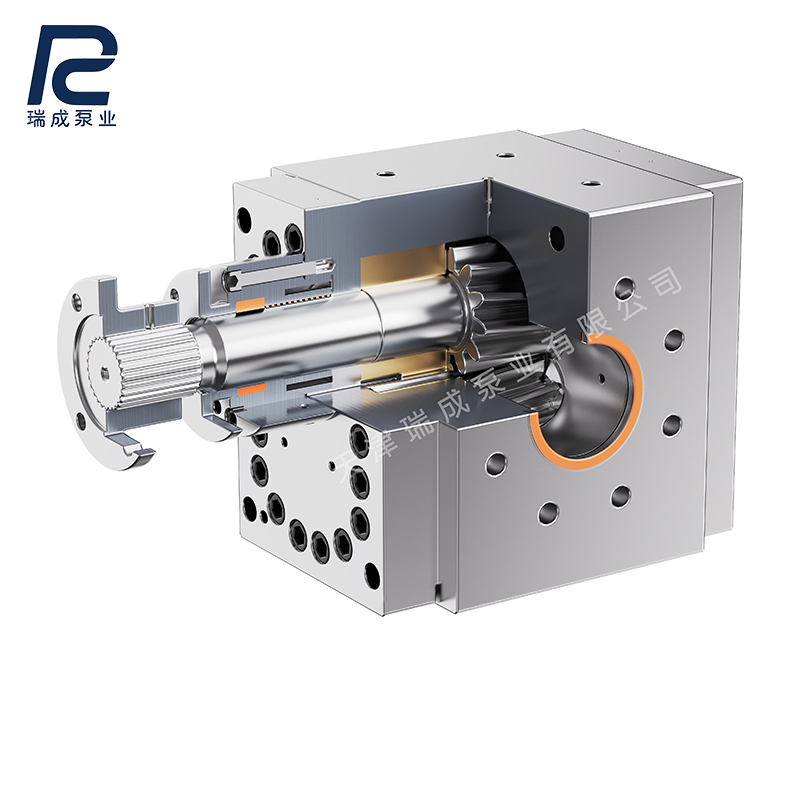
Melt pumps are commonly used for pressure stabilization, pressure boosting, and metered delivery in the processing of plastics (including extrusion, pelletizing, sheet, and film production), hot melt adhesives, synthetic fibers, and polymer materials. Because they operate continuously under high-temperature, high-pressure, and high-viscosity conditions, their gears, bushings, seals, pump chambers, and heating systems are all affected by the characteristics of the material and operating conditions. Therefore, maintenance of melt pumps should not focus solely on whether a specific part is damaged, but rather involve a comprehensive assessment that considers pressure, flow rate, temperature, current, and material condition.
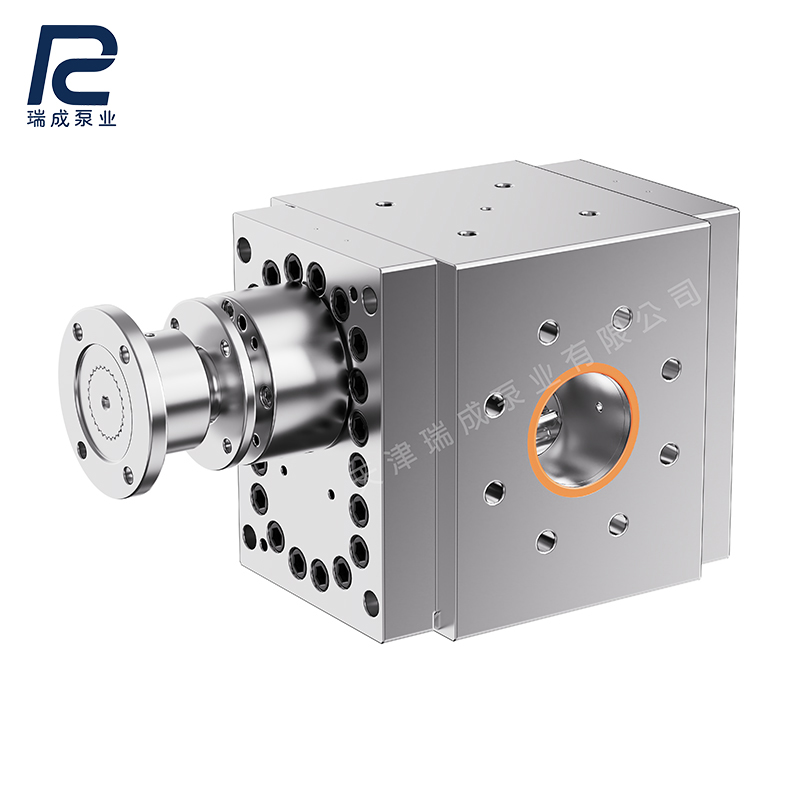
When a melt pump exhibits symptoms such as unstable outlet pressure, reduced flow rate, abnormal noise, vibration, material leakage, abnormal temperature rise, or difficulty starting, the machine should be shut down immediately for inspection. Before performing maintenance, safety precautions must be taken. Shut down the machine, reduce speed, relieve pressure, and disconnect power in accordance with on-site operating procedures. Disassembly should be conducted under temperature-controlled conditions to prevent burns or component damage caused by residual high-temperature material. For high-viscosity materials, necessary cleaning should be performed before the material fully cools and hardens to reduce the difficulty of subsequent disassembly and inspection.
One of the key focuses of melt pump maintenance is inspecting the wear on the gears and pump chamber. Melt pumps rely on gear meshing to create volumetric changes, continuously conveying material from the inlet to the outlet. If significant wear is observed on the gear end faces, tooth tops, side plates, or pump chamber, internal clearances will increase, leading to greater material backflow and potentially resulting in reduced flow rate and weakened pressure-building capability. For materials containing fillers, recycled materials, or highly abrasive substances, special attention should be paid to inspecting the gears and shaft sleeves.
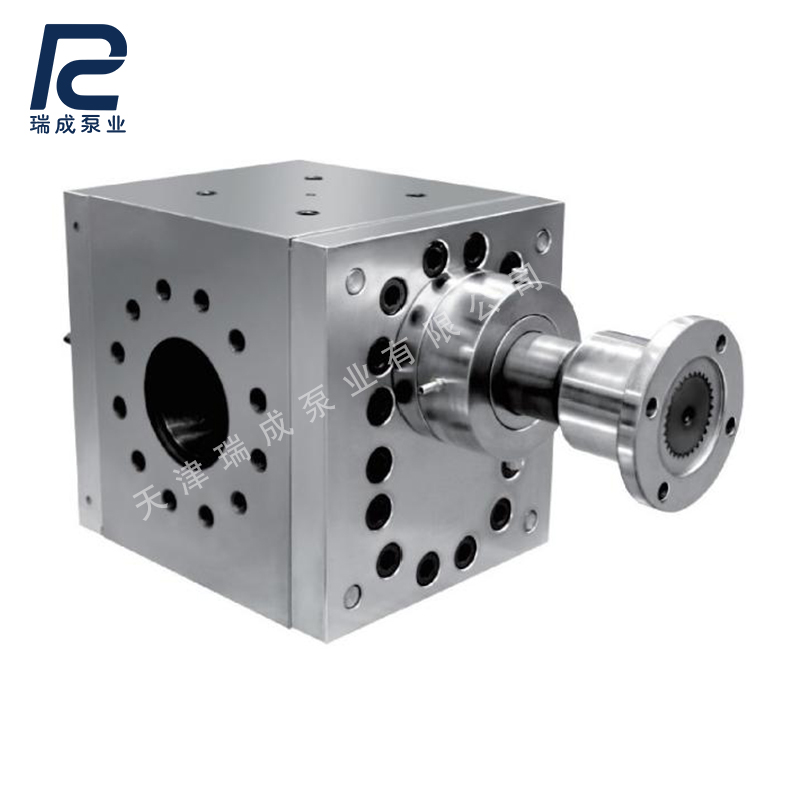
Second, inspect the bushings, bearings, and drive components. Bushing wear affects gear operational precision; in severe cases, it may cause uneven wear, jamming, or abnormal noise. The connection status of the coupling, gearbox, and motor must also be inspected simultaneously; poor coaxiality or unstable transmission can easily cause vibration and localized wear. During maintenance, determine whether to repair or replace relevant components based on the actual wear condition.
The sealing system is also a critical aspect of melt pump maintenance. Common sealing types for melt pumps include packing seals, mechanical seals, spiral seals, and combination seals. If material leakage, smoke, coking, or wear occurs at the seal, inspect the condition of the sealing components, installation clearances, and whether cooling or insulation conditions are appropriate. If sealing issues are neglected over time, they will not only affect on-site hygiene and operational stability but may also accelerate wear at the shaft end.
Additionally, the heating and temperature control systems must be inspected. The materials transported by melt pumps are temperature-sensitive; low temperatures may lead to increased viscosity and higher startup loads, while excessively high temperatures may cause material degradation, coking, or seal aging. During maintenance, inspect the electric heating plates, temperature sensors, wiring connections, and insulation to prevent secondary failures caused by abnormal temperatures.
Tianjin Ruicheng Pump Industry recommends that melt pump maintenance follow the principle of “assessing operating conditions before disassembling the equipment; inspecting external systems before examining internal components.” During daily operation, regularly record changes in pressure, temperature, current, and output, and promptly investigate any abnormalities. For melt pumps in long-term operation, establish maintenance schedules based on material abrasiveness and production intensity. Standardized maintenance and proper repairs help extend the equipment’s service life and enhance the stability of production line operations.