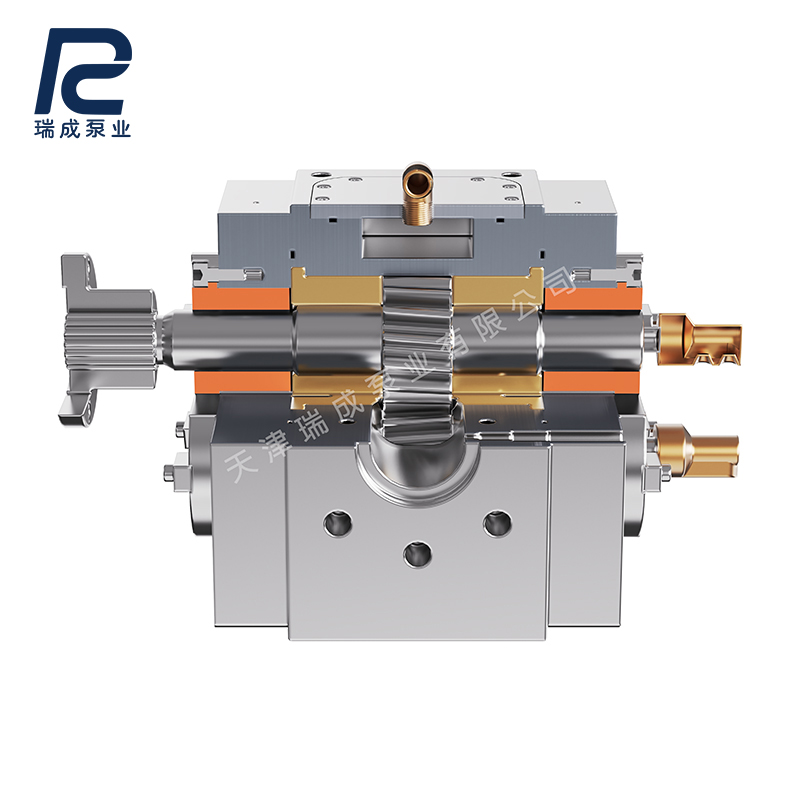
Rubber pumps are primarily used for the continuous conveyance, pressure stabilization and boosting, and metered feeding of materials such as rubber, rubber compounds, and high-viscosity polymers. Since rubber materials typically exhibit high viscosity, poor flowability, the presence of fillers, and high abrasiveness, the internal structural design of rubber pumps directly impacts the equipment’s conveyance stability, wear resistance, and service life.
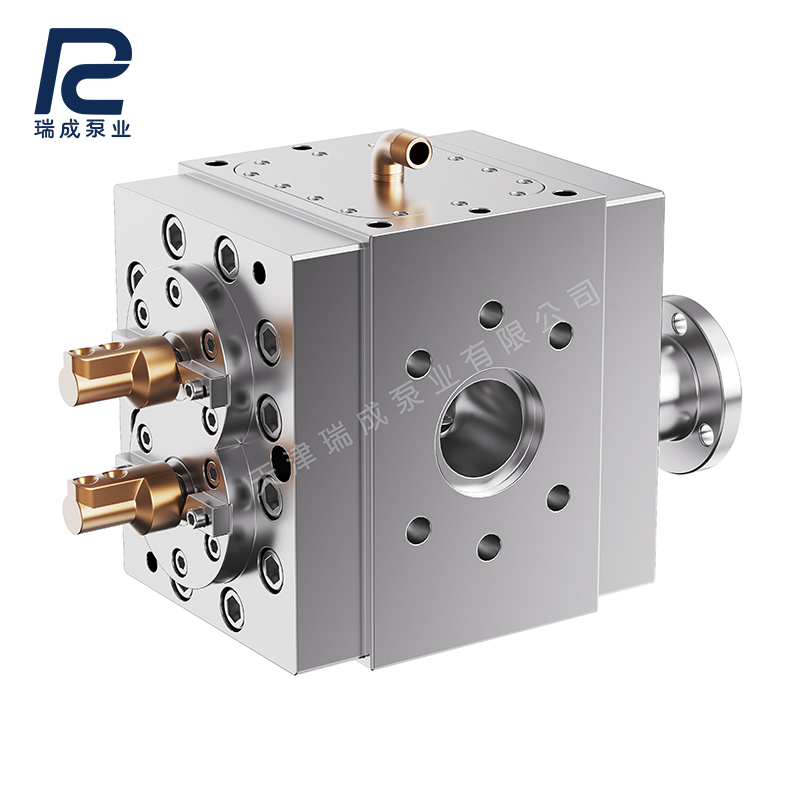
Structurally, rubber pumps typically consist of a pump body, drive gear, driven gear, shaft, shaft sleeve, side plates, sealing assembly, water-cooling temperature control system, and inlet/outlet connections. The pump body serves as the main structural component that bears the material pressure and supports internal parts; it generally requires sufficient strength and rigidity to withstand high-pressure and high-viscosity operating conditions. The drive gear and driven gear are critical conveying components of the rubber pump. These two gears mesh within the pump chamber, and through changes in the volume between the teeth, they continuously move the material from the inlet to the outlet, thereby achieving material conveyance and pressure generation.
The clearance between the gears, shaft sleeves, and side plates is a critical factor affecting the performance of rubber pumps. Excessive clearance can easily cause internal backflow, leading to reduced outlet pressure and insufficient flow; conversely, insufficient clearance may result in increased friction or jamming due to temperature fluctuations or material impurities. Therefore, during the manufacturing process, machining accuracy and assembly clearances must be appropriately controlled based on the material’s viscosity, temperature, pressure, and specific operating conditions.
The sealing structure is also a critical component of the rubber pump’s internal design. Given the high viscosity and high pressure of rubber materials, an improper seal design can easily lead to material leakage, pressure loss, or frequent maintenance. Selecting an appropriate seal type for different rubber materials and production environments helps improve operational stability and on-site adaptability.
Additionally, rubber pumps require a water-cooling temperature control system. Rubber and rubber compounds are highly sensitive to temperature during conveyance. Consequently, the pump housing is typically designed with a water-cooling system that circulates water to cool the housing or regulate temperature. This helps mitigate the impact of localized temperature increases on material properties and equipment operation, ensuring that the material within the pump chamber maintains a relatively stable flow state. For compounds containing carbon black, fillers, or highly abrasive materials, special attention must be paid to the material selection and heat treatment processes for wear-prone components such as gears and shaft sleeves.
In the design and manufacturing of rubber pumps, Tianjin Ruicheng Pump Industry emphasizes the integration of pump body strength, gear meshing, seal reliability, wear-resistant structures, and water-cooling temperature control systems. We provide customized selection solutions based on the customer’s material properties, output, pressure, temperature, viscosity, and installation conditions. While the internal structure of a rubber pump may appear simple, every component is closely related to actual operational performance. Ensuring that the structure is well-suited to the operating conditions helps achieve continuous conveyance, stable pressure build-up, and consistent operation.