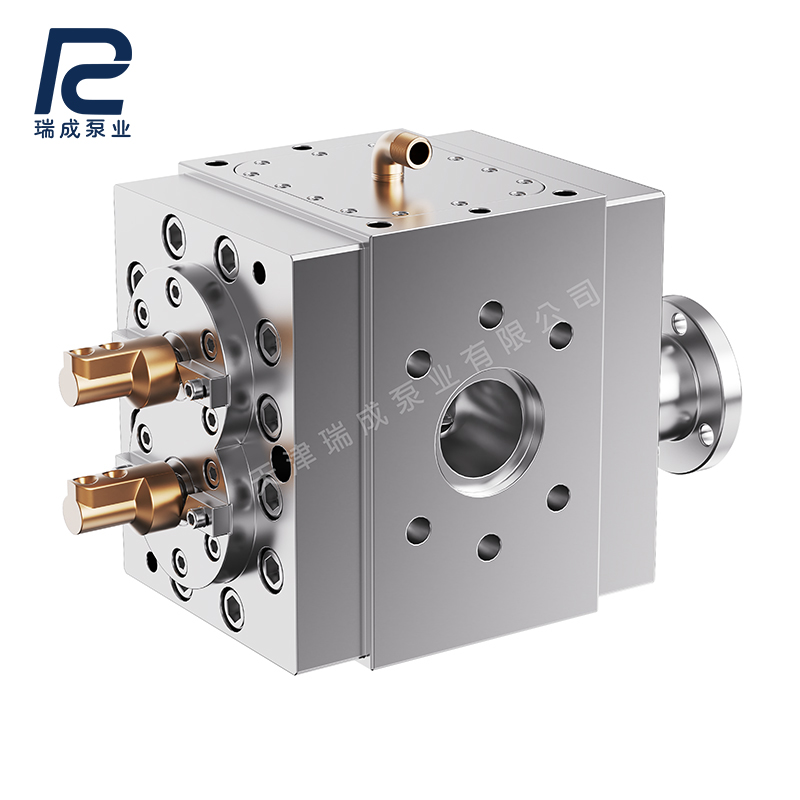
On equipment used to transport high-temperature, high-viscosity materials—such as melt pumps, bottom-of-reactor pumps, and pipeline booster pumps—many manufacturers include an arrow on the pump body or nameplate. While this arrow may appear to be a simple symbol, it is actually closely related to the equipment’s installation orientation, material flow direction, pump rotation direction, and system operational stability. For continuous production lines such as plastic extrusion, pelletizing, hot melt adhesives, rubber, chemical fibers, and polymer conveyance, correctly identifying the direction of the arrow is a critical step in equipment installation and commissioning.
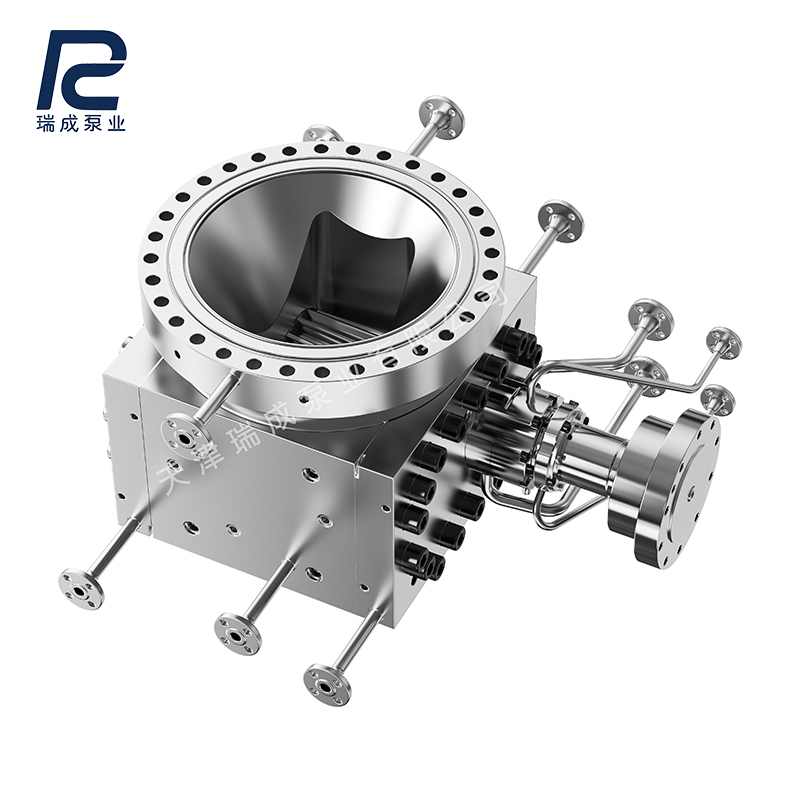
First, the arrow on the pump body is typically used to indicate the direction of material flow. Melt pumps are positive-displacement gear pumps that rely on the meshing of the drive gear and driven gear to continuously convey material from the inlet to the outlet, thereby achieving stable pressure, pressure boosting, and metered delivery. If the inlet and outlet directions are reversed during installation, the material cannot enter the pump chamber along the designed path. At best, this results in difficulty establishing pressure and insufficient flow; at worst, it may lead to pressure buildup, abnormal wear, or even damage to the equipment. Therefore, it is essential to confirm before installation that the direction of the arrow aligns with the material flow direction of the production line.
Second, the arrow can also help determine the pump’s direction of rotation. The gears, bearings, seals, and flow paths inside a melt pump are typically designed for a specific rotation direction. If the motor wiring is incorrect or the gearbox output direction does not match, the pump may rotate in the opposite direction. Reverse rotation will result in incorrect material flow direction, abnormal outlet pressure, and may even cause issues such as increased pressure upstream and no material output downstream. During on-site commissioning, operators should verify the pump body arrow, motor rotation direction, and pipeline orientation to avoid starting the pump blindly.
Third, the arrow also serves as a reference for system maintenance and troubleshooting. When production lines experience issues such as unstable outlet pressure, intermittent discharge, or reduced flow rate, the arrow helps on-site personnel quickly determine whether the inlet and outlet positions are correct, whether piping connections are reasonable, and whether the directions of valves and filters match. Especially after equipment retrofits, relocations, or reinstallations, neglecting the arrow direction can easily lead to situations where “the equipment rotates but no material is discharged” or “pressure cannot be built up.”
Furthermore, arrow markings under different operating conditions may also be related to manufacturer-specific custom designs. For example, equipment such as high-temperature melt pumps, bottom-of-vessel pumps, and rubber pumps may be customized based on the customer’s on-site space, interface orientation, and piping layout. In such cases, the arrow represents not only the general flow direction but is also an integral part of the equipment’s design. During installation, one should not rely solely on experience to determine the inlet and outlet; instead, confirmation should be made by referring to the manufacturer’s drawings, nameplate markings, and the on-site process flow.
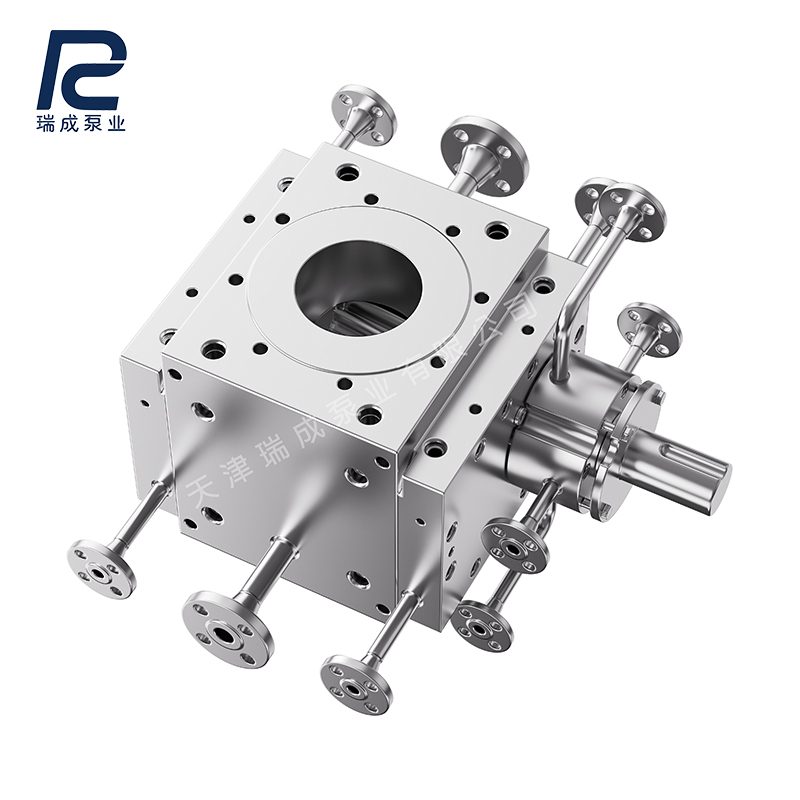
Tianjin Ruicheng Pump Industry reminds users that the arrows marked by melt pump manufacturers are not merely decorative; they serve as critical guidelines for equipment installation and commissioning. Prior to installation, verify the material flow direction, the arrow on the pump body, the motor rotation direction, piping connections, and control system settings. Before startup, perform a low-speed test run to confirm the direction, thereby reducing risks such as reverse rotation, incorrect connections, or pressure buildup. Correct direction and appropriate operating conditions help melt pumps effectively perform their functions of pressure stabilization, pressure boosting, and metered delivery, providing stable conveying support for extrusion, pelletizing, hot melt adhesive, rubber, and polymer material production.