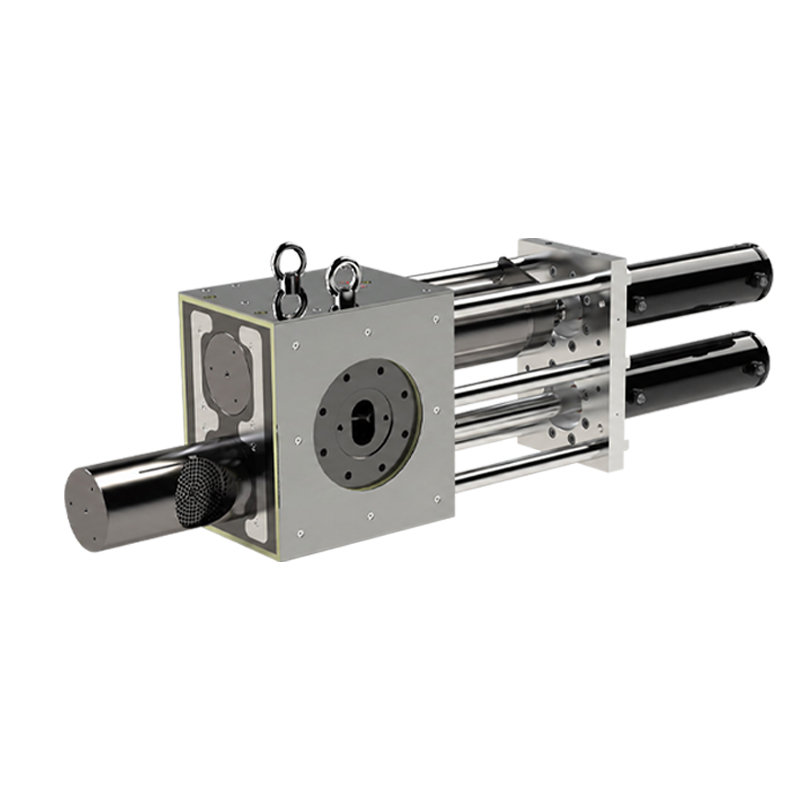
Why is it necessary to install a screen changer during the plastic extrusion process? Once the plastic melt has been plastified by the extruder, how can the impact of impurities on product quality be minimised? These are the issues that screen changers for plastic extrusion are designed to address.
In plastic extrusion, modified pelletisation and recycling production, raw materials are heated, mixed and plastified by the extruder to form a high-temperature melt. Due to variations in raw material batches, the source of recycled material and the production environment, the melt may contain small amounts of impurities, such as incompletely plastified particles and other foreign matter. If these impurities enter the die, they will not only affect the product’s appearance but may also cause fluctuations in production pressure, compromising the stability of the extrusion process and leading to an increased scrap rate.
Screen changers are primarily installed between the extruder outlet and the die head to filter impurities from the melt. Depending on the requirements of different production lines, screen changers can adopt various structural configurations—such as manual screen changers, twin-column screen changers, single-plate dual-station screen changers and automatic residue-discharge screen changers—to accommodate different output levels, material characteristics and filtration requirements.
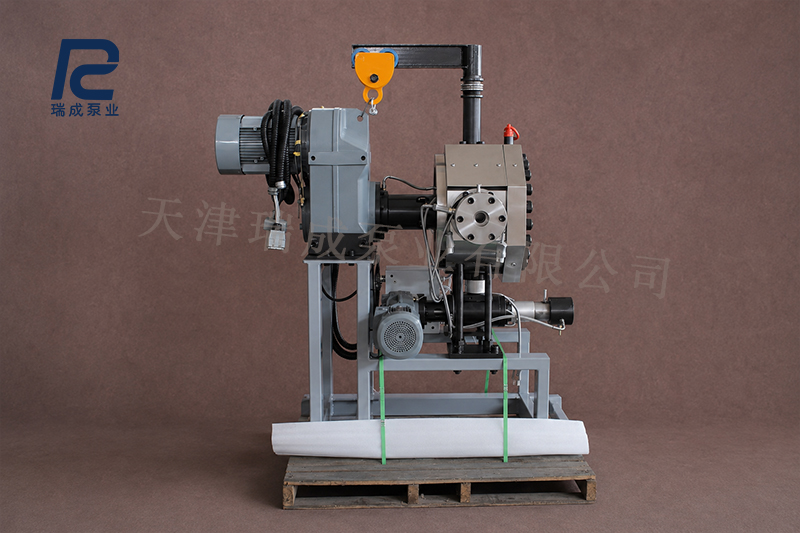
During continuous production, impurities gradually accumulate on the filter screen over time, increasing the resistance to melt flow and causing fluctuations in pressure upstream and downstream of the equipment. At this stage, the filter screen must be cleaned to restore filtration efficiency. Different types of screen changers vary in terms of filtration area, screen-changing method, ease of operation and suitable operating conditions; when selecting a specific model, it is necessary to match it to actual operating conditions such as material viscosity, production pressure, output and product requirements.
On modified pelletising production lines, the melt—after being compounded in the extruder—typically requires further filtration before entering the pelletising system; in plastic recycling processes, as recycled material may contain labels, metal particles or residual impurities, the screen changer must possess excellent filtration adaptability; in the extrusion of sheets, films, pipes and profiles, a stable melt condition also helps to maintain consistent product quality.
Tianjin Ruicheng Pump Industry’s screen changers offer various structural configurations tailored to customers’ production processes, and are suitable for extrusion applications such as modified pelletisation, plastic recycling, film, sheet and profile production. The equipment can be integrated with extrusion production lines to meet melt filtration requirements based on actual operating conditions.
Selecting a suitable screen changer requires a comprehensive consideration of factors such as filtration precision, material characteristics, production pressure and screen-changing methods. A well-designed filtration configuration helps ensure stable operation of the extrusion process and supports subsequent moulding operations.