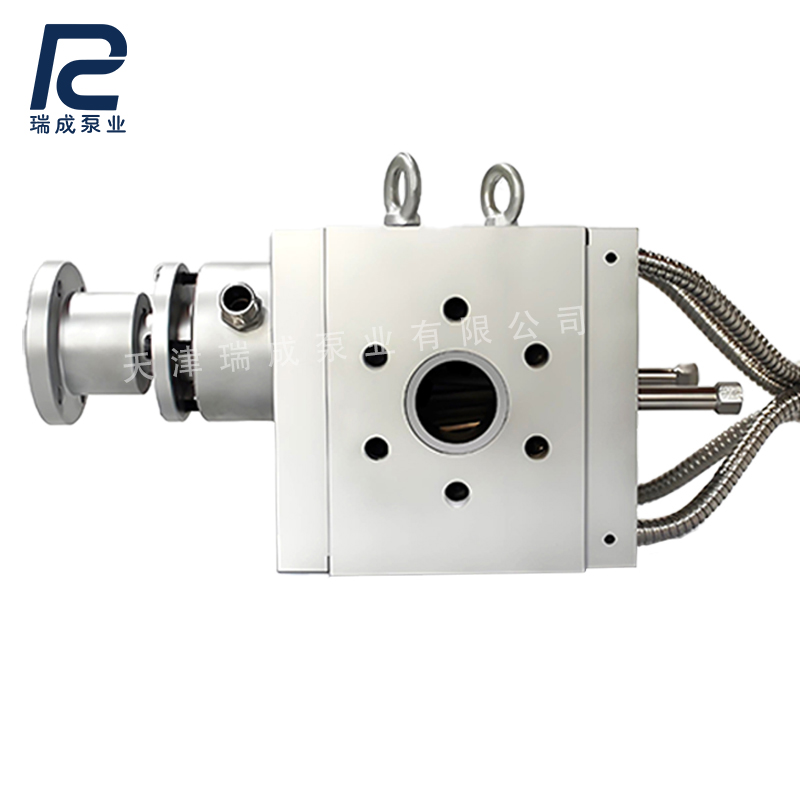
Melt pumps are typically installed between the extruder and the die, primarily responsible for conveying, pressurizing, stabilizing, and metering the melt. As the equipment operates continuously under high-temperature, high-viscosity, and continuous-load conditions, its performance is influenced by factors such as material properties, inlet feed, assembly clearances, and temperature control conditions. When abnormalities in flow rate, pressure, temperature, or noise occur, it is necessary to analyze the issue in the context of the entire production line, rather than attributing the problem solely to the pump itself.
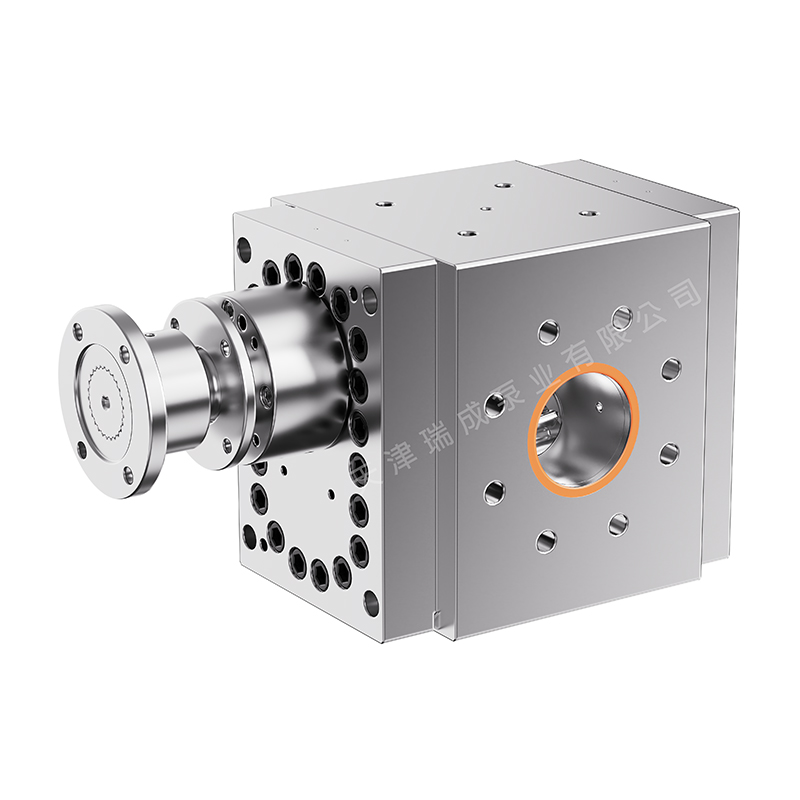
Insufficient Outlet Flow
When the melt pump’s flow rate decreases, first check whether the inlet feed is adequate. If the extruder’s feed rate is insufficient, the inlet pressure is too low, or gas is entrained in the material, the pump chamber cannot be fully filled, which may result in a decrease in actual output.
Inappropriate temperature settings can also affect conveyance. When the temperature is too low, material viscosity increases, leading to higher flow resistance; conversely, excessively high temperatures may cause changes in material properties. During maintenance, check the temperatures of the pump body, connecting components, and all heating zones along the piping in accordance with the material’s process requirements.
If the feed and temperature are normal, further inspect the wear on the gears, shaft sleeves, and side plates. Increased internal clearances lead to higher melt return flow, manifesting as normal pump speed but insufficient outlet flow. In this case, measure the critical clearance values and repair or replace parts based on the actual degree of wear.
Outlet Pressure Fluctuations
Pressure fluctuations are not necessarily caused by the melt pump itself. Variations in extruder speed, uneven feeding, clogged filters, and differences between material batches can all affect inlet conditions.
During troubleshooting, compare changes in inlet pressure, outlet pressure, pump speed, and motor current. If the inlet pressure fluctuates in tandem, focus on inspecting the upstream feeding system; if the inlet pressure remains relatively stable while the outlet pressure varies significantly, check for the presence of gas, impurities, or abnormal wear inside the pump.
A clogged filter increases downstream resistance, causing the outlet pressure to rise gradually. Inspect the filter screen promptly based on changes in pressure differential to prevent the pump from operating under inappropriate loads for extended periods.
Increased Drive Torque or Current
Common causes of a significant increase in motor current include high material viscosity, insufficient pump temperature, a blocked outlet passage, misalignment of the shaft assembly, and the ingress of hard foreign objects into the pump.
In such cases, it is not advisable to force the pump to operate by increasing the drive torque. First, verify whether the temperatures in each zone meet process requirements, then check the alignment of the coupling, gearbox, and pump shaft. After shutting down the pump and disassembling it for inspection, also examine the gear surfaces for scratches, bite marks, or signs of foreign object compression.
Leaks at Sealing Areas
Shaft seal leakage may be related to seal wear, loose packing, damage to the shaft surface, or abnormal pressure inside the pump. When using packing seals, adjust the gland evenly within the equipment’s permissible range to avoid unilateral stress. When using spiral seals or combination seals, inspect the return channels, rotation direction, and condition of the shaft journal.
If the leakage rate continues to increase, schedule a shutdown for inspection; it is not recommended to rely solely on repeated tightening, as this may exacerbate wear on the shaft sleeve and pump shaft.
Abnormal Noises or Vibration During Operation
A melt pump typically operates with a steady, smooth sound. If periodic abnormal noises occur, inspect the coupling installation, bearing condition, gear meshing, and foundation anchoring. The entry of hard foreign objects, such as metal particles, into the pump chamber may also cause sudden jamming or impact noises.
When significant abnormal noises occur, reduce the rotational speed and schedule a shutdown based on process conditions to prevent abnormal friction from worsening.
Precautions for Routine Maintenance
After the melt pump is shut down, high-temperature material may remain inside the pump chamber. Before disassembly, ensure the pump has cooled down, the pressure has been released, and safety has been confirmed. Removed parts—such as gears, shaft sleeves, and side plates—should be sorted and stored separately to prevent damage to their working surfaces. During reassembly, recheck clearances, rotation direction, and coaxiality, and conduct a low-speed test run after the heating conditions have been met.
Tianjin Ruicheng Pump Industry recommends that melt pump fault diagnosis be conducted by systematically checking each item in the following order: “process parameters, upstream and downstream conditions, drive system, and pump interior.” By recording changes in pressure, temperature, rotational speed, and current, the location of the anomaly can be identified more quickly, providing a basis for subsequent repairs and parts replacement.