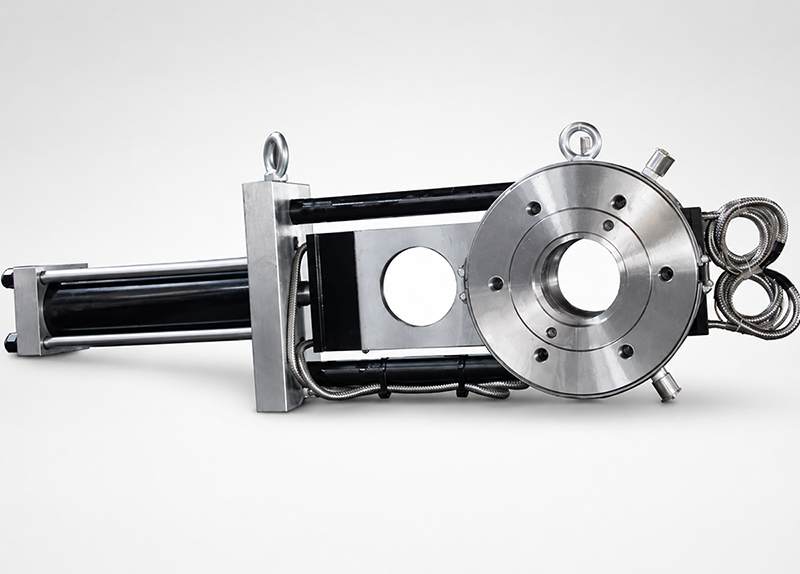
During plastic pelletizing, modification, and recycled plastic production, raw materials may contain unmelted particles, impurities, metal shavings, or other contaminants. If these substances enter the die head along with the melt, they can cause blockages in the discharge orifices, uneven pellet appearance, or malfunctions in downstream equipment. Therefore, pelletizing production lines typically install a screen changer between the extruder and the die head to filter the plastic melt.
Traditional manual screen-changing methods require operators to shut down the machine or reduce output based on pressure changes, then disassemble the screen for cleaning and replacement. For production lines that require continuous operation, frequent shutdowns not only disrupt the production rhythm but may also generate start-up and shutdown scrap. Automatic screen changers utilize hydraulic drive, pressure monitoring, and a multi-station filtration structure to ensure a more continuous screen-changing process.
I. Working Principle of the Automatic Screen Changer
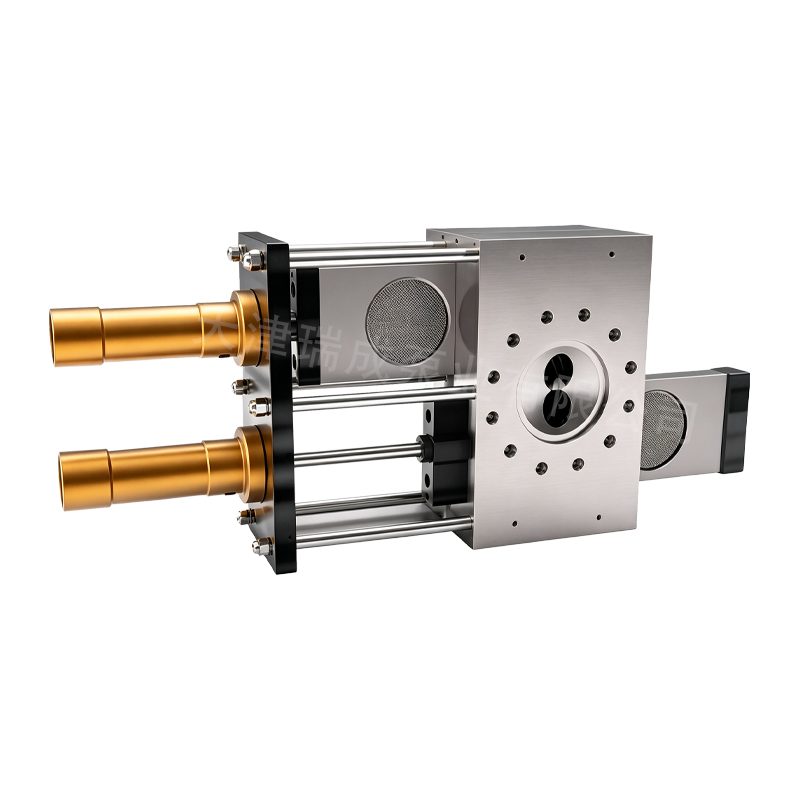
The automatic screen changer is installed between the extruder outlet and the pelletizing die head. The plastified melt enters the screen changer and passes through the filter screen into the downstream flow channel.
During normal operation, the filter screen traps impurities in the melt. As operating time increases, impurities gradually accumulate on the filter screen, increasing the resistance to melt flow and causing a corresponding change in the pressure at the screen changer inlet. When the pressure reaches a preset range, or after the equipment has operated for a preset duration, the control system sends an activation command to the hydraulic system, which slowly switches the standby filter station into the melt flow path.
Automatic screen changers, such as dual-column and dual-plate types, typically feature two relatively independent filter stations. While one station is undergoing screen replacement or cleaning, the other station continues to perform the filtration task. During the switching process, certain components first perform venting and pre-filling to gradually fill the standby filter station with melt before moving into the normal filtration position, thereby reducing air ingress into the melt channel and preventing sudden pressure changes.
“Non-stop screen changing” refers to the ability of the extruder to remain operational during the screen change when the equipment configuration, raw material conditions, and operating parameters are compatible; it does not imply that there is absolutely no change in pressure. Actual performance is also influenced by factors such as the impurity content of the raw material, melt viscosity, screen mesh size, screen change speed, and upstream and downstream pressures.
II. Key Advantages of Automatic Screen Changers
1. Maintains Continuous Production
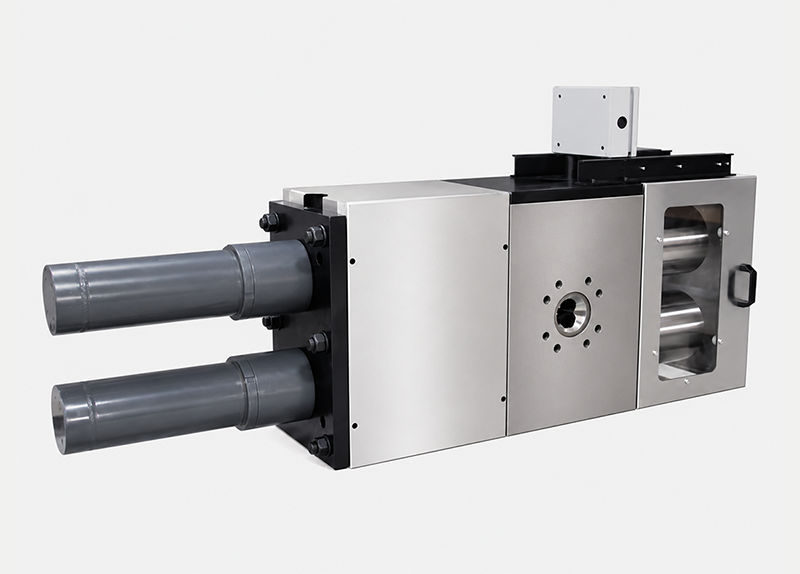
During automatic screen changing, the standby filtration station takes over from the original station to continue operation, reducing downtime caused by screen removal, cleaning, and installation. This is suitable for continuous pelletizing and production lines requiring relatively stable output.
2. Reduces Material Waste Caused by Start-up and Shutdown
When an extruder is restarted, it typically requires processes such as heating up, purging, and parameter adjustment, during which a certain amount of transitional material may be produced. Using continuous screen changing can reduce the material waste caused by frequent start-ups and shutdowns.
3. Mitigates Pressure Fluctuations During Screen Changing
The automatic screen changer facilitates a gradual transition between old and new filter stations through multi-station switching, hydraulic speed regulation, and a pre-filling mechanism. Properly setting the switching speed helps minimize the impact of sudden pressure spikes or drops on pellet output.
4. Reducing Manual Labor Intensity
The equipment can perform screen changes based on melt pressure, operating time, or control commands, reducing the workload for operators involved in frequently disassembling and reassembling high-temperature filter components, while also facilitating centralized control of the production line.
5. Adapting to Raw Materials with Fluctuating Impurity Levels
The impurity content in recycled plastics, crushed materials, and reclaimed materials may vary, and the rate at which screens become clogged is not constant. When equipped with a pressure monitoring function, the equipment can determine the optimal timing for screen changes based on actual pressure differentials, thereby improving control over the screen usage process.
III. Parameters to Consider When Selecting an Automatic Screen Changer
The selection of an automatic screen changer should not be based solely on the extruder screw diameter; it should also comprehensively consider the type of plastic, melt viscosity, production capacity, filtration precision, inlet pressure, operating temperature, impurity content, and the allowable range of pressure fluctuations.
For recycled pelletizing operations with high impurity content, attention should be paid to the filtration area and screen change frequency; for film, fiber spinning, or fine pelletizing operations, the focus should be on filtration precision and pressure stability. Higher mesh counts generally result in finer filtration, but flow resistance also increases accordingly; therefore, configuration should be based on the characteristics of the raw material and the requirements of the end product.
Tianjin Ruicheng Pump Industry can provide customers with recommendations for screen changer selection and system configuration based on the raw material characteristics, extrusion output, and filtration requirements of their plastic pelletizing production lines. Through the proper configuration of screen changers, melt pumps, and control systems, the coordination between continuous filtration, melt pressure stabilization, and metered delivery can be optimized.