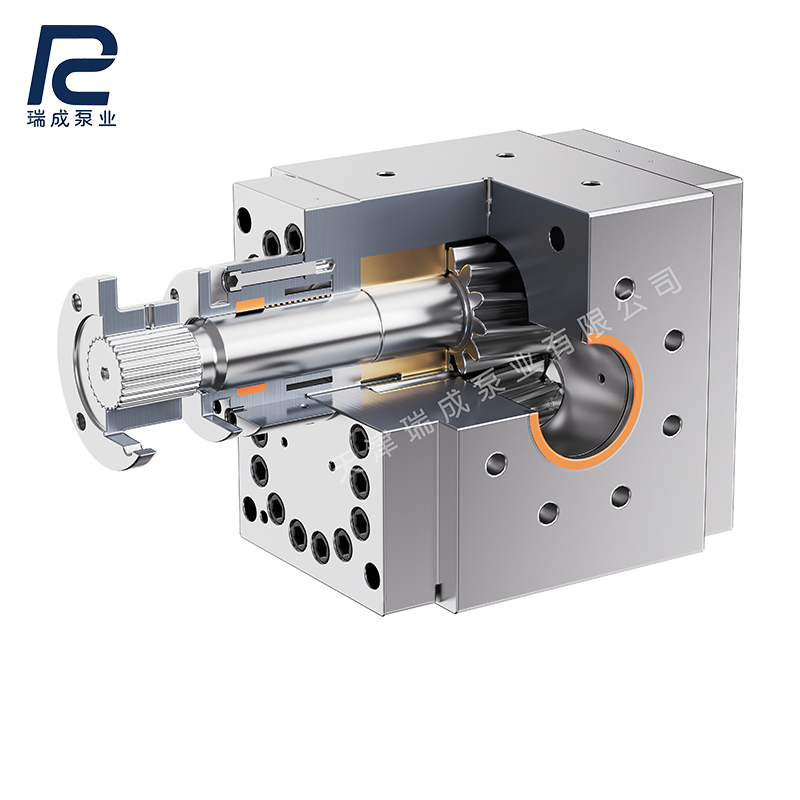
Melt pumps are commonly used in systems for conveying high-temperature, high-viscosity materials, primarily performing tasks such as maintaining stable pressure, boosting pressure, and metered delivery. During normal operation, the pump’s rotational speed, flow rate, and pressure typically maintain a relatively stable relationship. If a drop in flow rate, abnormal outlet pressure, or persistent fluctuations in parameters occur, a comprehensive assessment must be made considering the material, temperature, feed rate, and equipment condition; it should not be simply assumed that the pump itself is damaged.
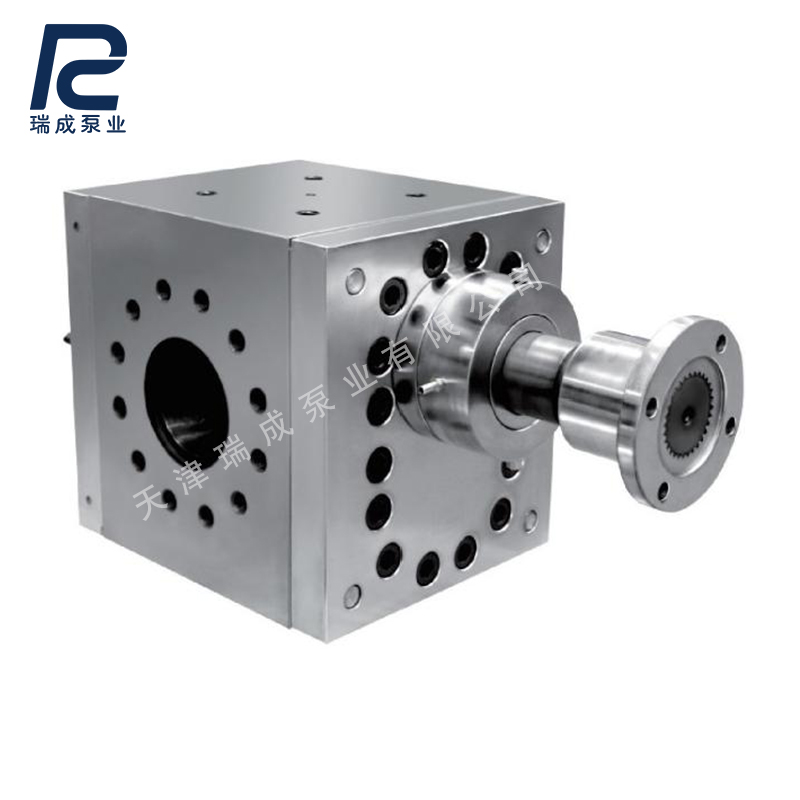
When the melt pump’s rotational speed remains constant but the actual flow rate decreases, the first step is to check whether the inlet feed is sufficient. Unstable extruder feeding, uneven material plastification, insufficient inlet pressure, or entrained gas in the melt can all lead to inadequate filling of the gear pockets, resulting in a reduced actual delivery volume. At the same time, low material temperature can increase viscosity, thereby raising suction and conveying resistance. A clogged pre-pump filter, material buildup in the inlet piping, or valves not fully open may also cause insufficient flow.
When outlet pressure is low, first observe whether downstream operating conditions have changed. If resistance in the die, piping, or valves has decreased, the pressure drop may be normal. If downstream conditions remain largely unchanged but both flow rate and pressure decrease simultaneously, consider whether the clearances between the gears, bushings, or inside the pump housing have increased. When a melt pump is used for extended periods to convey materials containing fillers, recycled material, or substances with some corrosive properties, internal components may wear out, allowing some material to flow back from the high-pressure side to the low-pressure side, thereby affecting volumetric efficiency.
When outlet pressure remains consistently high, focus on inspecting the screen changer, filter, die head, and outlet piping. Clogged screens, material buildup in flow channels, valves not fully open, or low piping temperatures can all increase downstream resistance. A sudden increase in material viscosity may also cause simultaneous rises in outlet pressure, motor current, and drive load. In such cases, it is not advisable to rely on reducing speed to maintain production over the long term; instead, promptly locate and clear blockages to prevent the equipment from operating under sustained high loads.
If pressure and flow rate exhibit periodic fluctuations, check whether the fluctuation cycle aligns with the extruder speed, feeding cycle, or temperature control changes. When pressures upstream and downstream of the pump change in sync, it is usually necessary to focus on inspecting the upstream feeding and plasticizing conditions; when the inlet pressure is stable but the outlet pressure fluctuates significantly, further inspection of the drive speed, coupling, transmission system, and internal pump components is warranted. At the same time, verify that the pressure sensors, gauges, and signal lines are functioning properly to avoid misjudgments caused by measurement errors.
If the abnormality persists after adjusting the material temperature, feed conditions, rotational speed, and downstream resistance—and is accompanied by unusual noises, vibration, temperature rise, seal leakage, or a sustained increase in drive current—consider scheduling a shutdown for maintenance. During disassembly and inspection, focus on examining the gear tooth surfaces, end faces, drive shaft, shaft sleeves, seal assemblies, and the interior of the pump housing to check for wear, scoring, material buildup, or carbon deposits, and measure critical clearance tolerances according to the equipment’s technical specifications.
Tianjin Ruicheng Pump Industry recommends that troubleshooting for melt pumps be conducted in the following order: “process first, control second, and mechanical components last.” By recording temperature, rotational speed, pre-pump pressure, post-pump pressure, motor current, and actual output, trends in parameter changes can be identified promptly, providing a reference for determining whether maintenance is necessary.