In processes such as plastic extrusion, polymer conveyance, rubber processing, hot-melt adhesive coating, and reactor discharge, the stable conveyance of high-temperature, high-viscosity materials has always been a key focus for production lines. As a positive-displacement conveying device, the melt gear pump is typically installed between the extruder and the die head, primarily serving to stabilize pressure, boost pressure, and ensure metered delivery. When dealing with different production scenarios, selecting the appropriate type of melt pump is more important than simply focusing on its displacement capacity.
Standard melt pumps are suitable for conventional plastic extrusion production lines. This type of equipment is commonly used in processes such as sheet, plate, film, pipe, profile, filament drawing, and cable coating, and is typically installed between the extruder and the die. During the extrusion process, factors such as raw material batches, screw wear, filter resistance, and temperature fluctuations can all affect output stability. By continuously conveying the melt through gear-driven positive displacement chambers, melt pumps help minimize pressure fluctuations, resulting in a smoother output from the die.
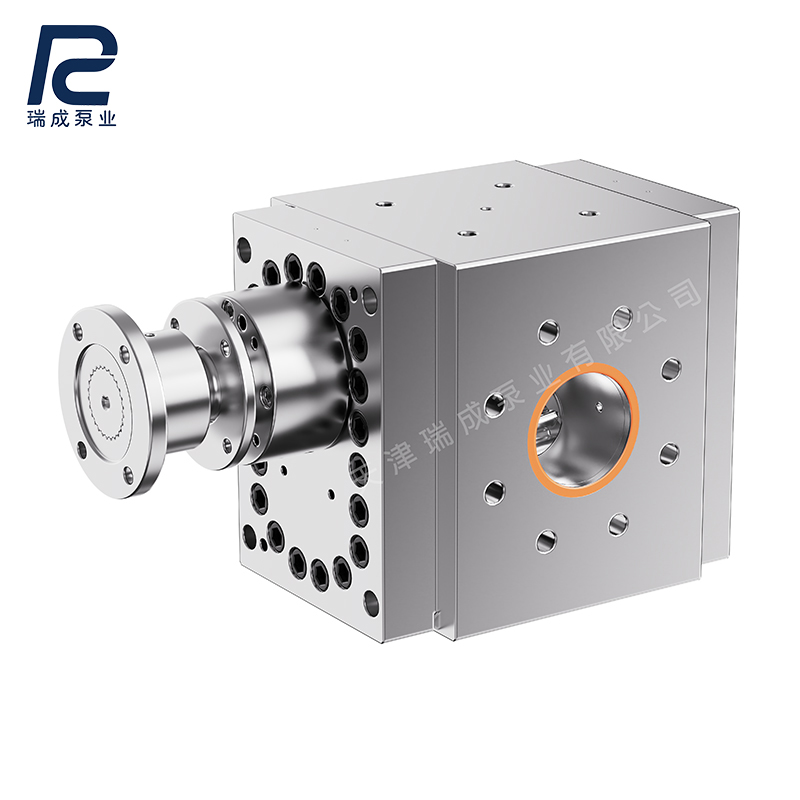
If there is significant resistance downstream in the production line—such as when equipped with precision filters, fine-mesh screens, complex dies, or long runner structures—a high-pressure melt pump should be considered. Such operating conditions place high demands on outlet pressure and pressure differential, requiring the equipment to provide a stable feed to the downstream system within a reasonable pressure range. When selecting a model, it is essential to verify the inlet pressure, outlet pressure, pressure differential, material viscosity, and drive power to avoid operational issues caused by parameter mismatches.
For polymer pipeline conveyance or long-distance melt transport, pipeline-boosting melt pumps are more suitable. These pumps are typically installed within the melt pipeline to supplement conveying pressure and stabilize downstream flow. They are commonly used in continuous polymer production, melt conveyance of materials such as PET, PBT, and PA, pressure boosting before and after filtration, and feed supply prior to pelletization. Their function is not merely to increase output but to address issues of pressure drop and flow fluctuations in the pipeline.
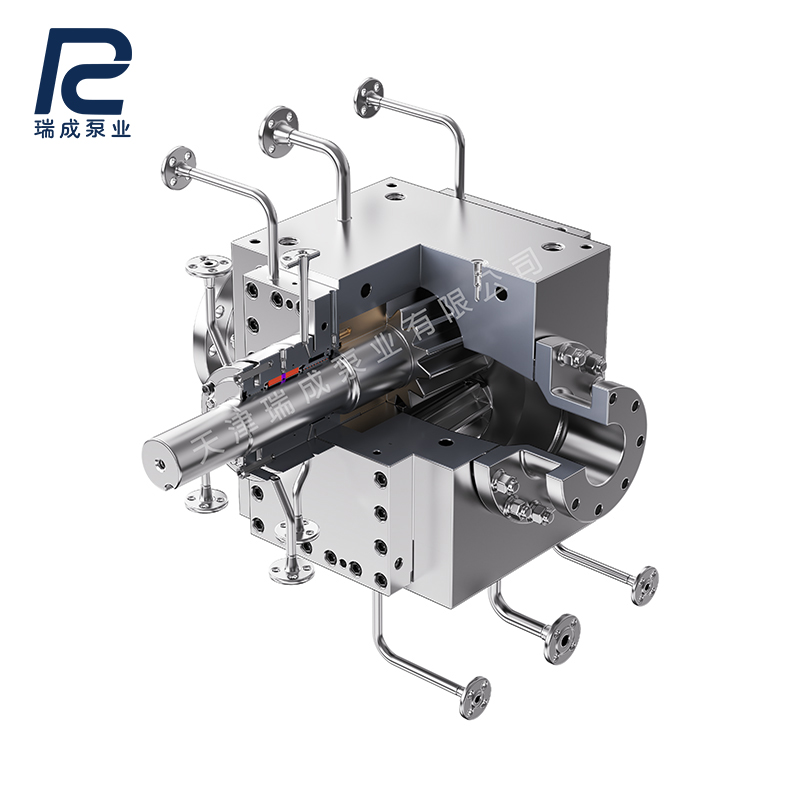
For discharge from the bottom of reactors, polymerization vessels, or final polymerization equipment, a bottom-discharge pump is the more suitable choice. Materials in such applications are often high in temperature and viscosity, with flow characteristics that vary significantly depending on the process stage. Relying solely on gravity discharge is easily affected by vessel pressure, pipeline resistance, and backpressure from downstream equipment. A bottom-discharge pump can be installed at the bottom of the equipment for the continuous discharge and pressurized conveyance of high-viscosity polymers, making it suitable for production processes involving resins, polymers, and high-viscosity chemical media.
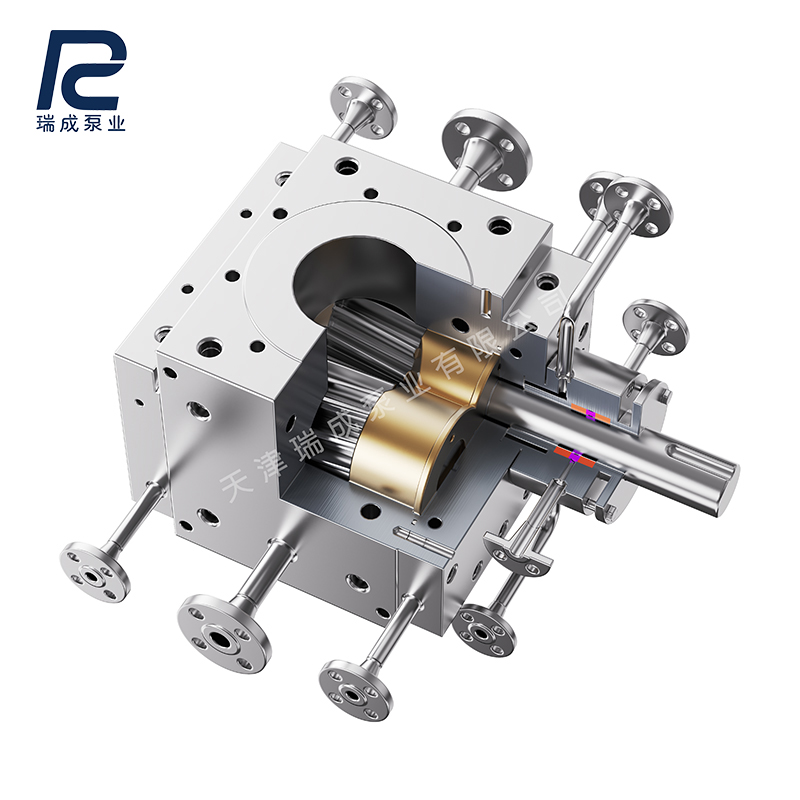
For rubber and elastomer processing, rubber pumps are the recommended choice. Rubber materials have high viscosity and strong elasticity, placing high demands on flow channel design, gear strength, and sealing methods. Rubber pumps are commonly used between rubber extruders and die heads to help stabilize extrusion pressure fluctuations and ensure more continuous material delivery. They are suitable for processing high-viscosity materials such as rubber products, TPE, TPU, and TPV.
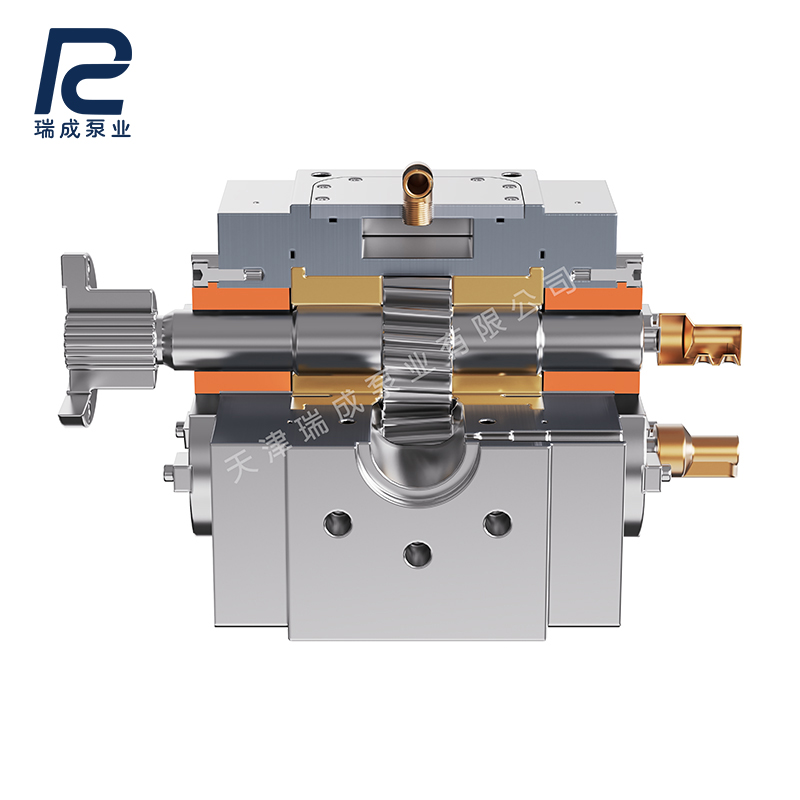
For applications involving hot melt adhesives, adhesives, and butyl rubber, hot melt metering pumps are the recommended choice. These pumps are primarily used in coating, lamination, encapsulation, and adhesive supply systems, where stable dispensing and consistent metering are critical. When properly configured, they help reduce issues such as uneven coating, intermittent adhesive lines, and fluctuations in adhesive flow.
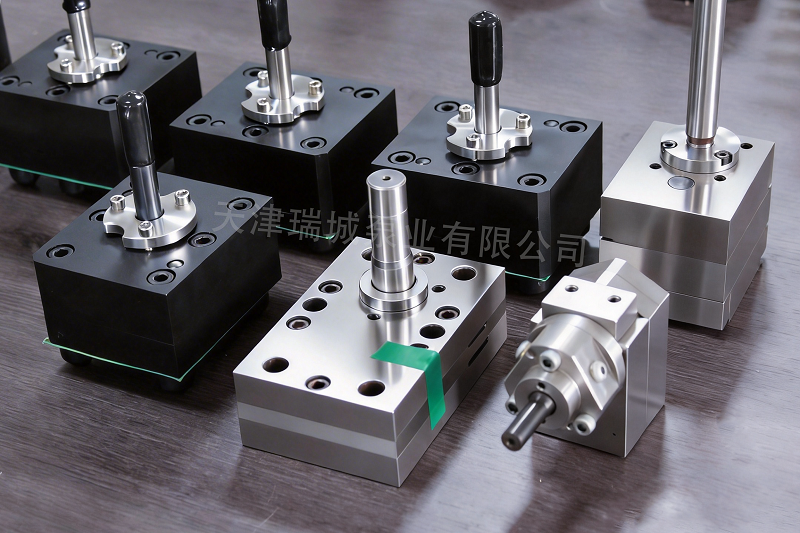
Overall, the selection of a melt pump should be based on a comprehensive assessment of the material, temperature, viscosity, output, pressure, installation location, and downstream processes. Tianjin Ruicheng Pump Industry can provide product solutions—including melt pumps, pipeline booster pumps, reactor bottom pumps, rubber pumps, and hot-melt adhesive pumps—tailored to different application scenarios, offering stable and suitable equipment support for the conveyance of high-viscosity polymers.