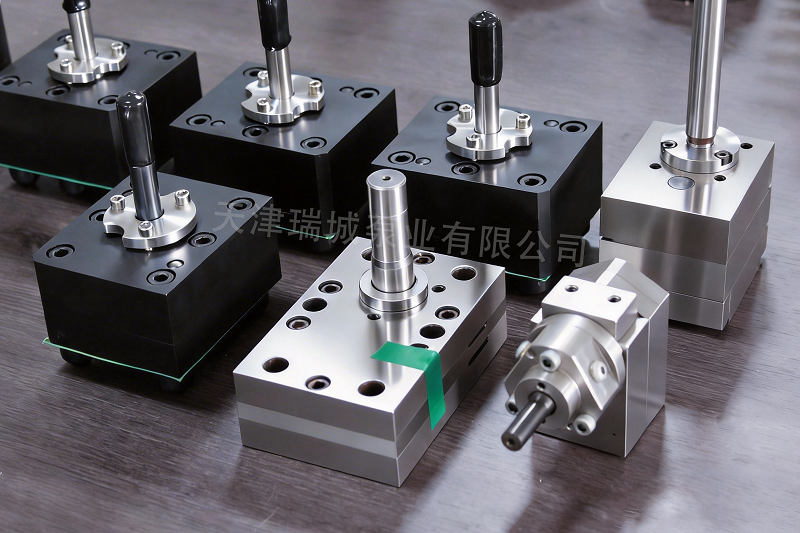
In hot-melt adhesive, coating adhesive, and polymer bonding processes, adhesive pumps play a critical role in the continuous and stable delivery of adhesives. A clog not only causes unstable adhesive output and fluctuations in flow rate but, in severe cases, can also lead to production line shutdowns, affecting overall production efficiency. Therefore, quickly identifying and effectively resolving adhesive pump clogs is a key challenge in on-site equipment maintenance.
From a technical standpoint, adhesive pumps typically employ a positive-displacement gear mechanism, which creates a sealed chamber through gear meshing to achieve metered material delivery. When adhesives are operated at high temperatures or with high viscosity, insufficient material cleanliness or unstable temperature control can easily lead to buildup in the gear teeth, inlet, or flow channels, thereby causing blockages.
Based on industrial field experience and relevant equipment maintenance methods, blockages can generally be addressed through the following approaches.
First is the rapid troubleshooting and diagnosis phase. When there is a significant drop in adhesive output or a complete cessation of flow, priority should be given to checking the inlet pressure, backflow status, and whether the filtration system is functioning normally. If the system exhibits abnormal backflow or excessive filter pressure differential, this often indicates that impurities or carbonized adhesive deposits have accumulated in the upstream section.
Second is the temperature and condition restoration process. For hot-melt adhesive systems, the pump body should be maintained within the normal operating temperature range to keep the adhesive in a flowable state. Then, attempt to run the pump at low speed to prevent further blockages or gear jamming caused by low-temperature curing.
The third step involves disassembly, cleaning, and maintenance. Once it is confirmed that the blockage cannot be resolved online, the machine should be shut down and powered off according to standard procedures. The system should then be heated to soften the residual adhesive before disassembling and cleaning the pump body. Focus on cleaning the gear grooves, inlet and outlet flow channels, and bearing areas to remove carbonized adhesive and impurity particles. Rinse repeatedly with a specialized cleaning solvent to ensure internal passages are fully unobstructed. This process is a standard procedure in gear pump maintenance, and its core objective is to restore the integrity of the volumetric chambers and the sealing fit.
Finally, focus on optimizing preventive maintenance. Blockages are rarely caused by a single factor but result from the combined effects of material cleanliness, temperature control, the filtration system, and operating parameters. Therefore, during long-term operation, the following measures should be emphasized: regularly replace filter screens, maintain a stable heating temperature for the colloid, avoid prolonged low-speed, high-load operation, and keep the interior of the pump clean to minimize the accumulation of residues.
Overall, clogging in adhesive pumps is not an uncontrollable failure but rather a typical operational management issue. By following a comprehensive maintenance approach—comprising “online diagnosis + temperature-controlled restoration + standardized disassembly and cleaning + system-level prevention”—the risk of downtime can be significantly reduced, ensuring the long-term stable operation of the equipment. This is also a key technical strategy for ensuring continuous production in high-viscosity conveying systems.