In modern plastic extrusion production lines, melt pumps have long transcended the role of simple auxiliary equipment to become critical supporting devices that work in close synergy with the extruder and directly determine the core performance of the entire production line. The reason they are deemed “indispensable” lies in their ability to precisely address the inherent shortcomings of an extruder operating alone across five critical dimensions: process stability, product precision, energy consumption control, equipment lifespan, and production adaptability. By doing so, they enable the entire extrusion system to achieve efficient, stable, and economical integrated operation, making them an irreplaceable core component in modern extrusion production.
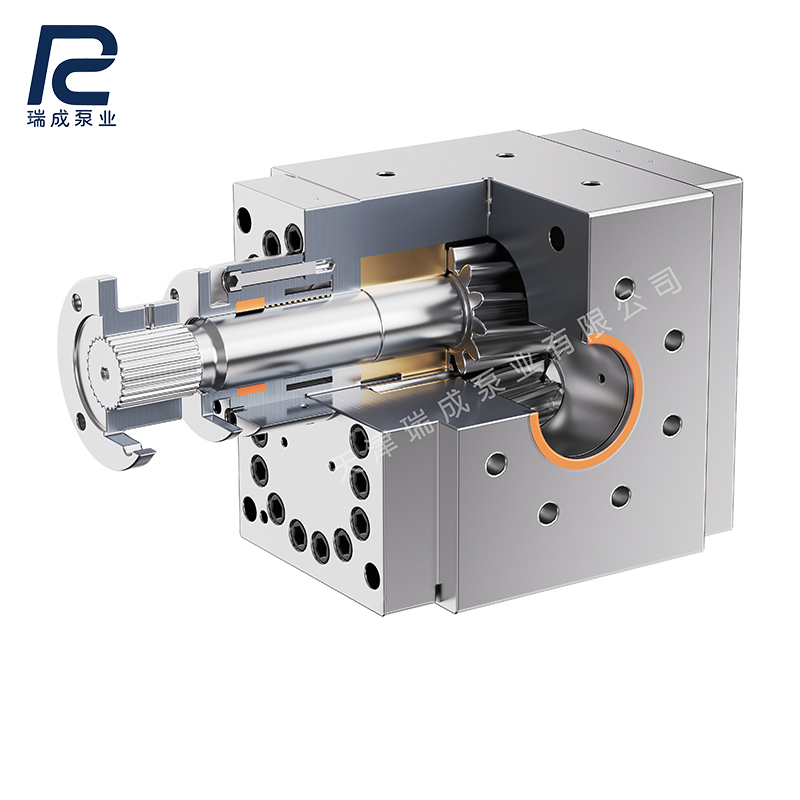
First, melt pumps fundamentally address the industry-wide challenge of flow and pressure fluctuations in extruders. Conventional extruders rely on screw rotation to convey melt, but due to various factors such as changes in material viscosity, fluctuations in barrel temperature, and screw wear, output flow and pressure are highly prone to fluctuations. This directly leads to quality issues such as uneven wall thickness in pipes, width deviations in films, and surface streaks in sheets, severely impacting product yield rates. As a high-precision positive-displacement metering device, the melt pump precisely controls melt output, effectively buffering and mitigating fluctuations from the upstream extruder. It provides the downstream die with constant, stable pressure and flow, significantly improving product dimensional consistency and surface quality while drastically reducing defects and material waste. For high-end extruded products that demand high precision and stability, achieving stable, large-scale mass production is virtually impossible without the integration of a melt pump.
Secondly, melt pumps separate the functions of plasticization and pressure buildup, significantly optimizing the operating conditions of the extruder. The core strength of an extruder lies in material plasticization and mixing, not high-pressure conveyance. In traditional production models, the extruder must simultaneously handle both plasticization and mixing as well as high-pressure build-up, causing the screw to operate under high loads for extended periods. This not only results in persistently high energy consumption but also accelerates wear on the screw and barrel, shortening the equipment’s service life. With the introduction of a melt pump, these functions are clearly divided: the extruder focuses on material melting, plasticization, and low-pressure feeding, fully leveraging its plasticization strengths; while the melt pump is dedicated to high-pressure conveying and precise metering, efficiently pressurizing and delivering a stable melt flow. This division of labor ensures the extruder always operates under optimal conditions, improving material plasticization quality while reducing the overall operational load on the machine, thereby significantly enhancing the efficiency of the entire system.
Furthermore, the melt pump effectively reduces energy consumption during production and extends equipment lifespan, delivering sustained economic benefits to the enterprise. With the support of the melt pump, the extruder’s load is significantly reduced, and motor power consumption drops markedly. Over the long term, large-scale production can save substantial electricity costs, yielding impressive energy-saving results. At the same time, reduced load on core components such as the screw and barrel significantly slows wear rates, leading to fewer maintenance intervals and extended service life, which effectively lowers equipment maintenance costs and minimizes downtime losses. For enterprises, the integration of melt pumps not only improves product quality but also delivers tangible cost reductions and efficiency gains, thereby enhancing core profitability.
Furthermore, melt pumps greatly expand the application range of extruders, increasing the flexibility and adaptability of production lines. When faced with difficult-to-process materials such as high-viscosity, high-filler, and high-temperature engineering plastics, conventional extruders often struggle with issues like extrusion difficulties, insufficient pressure, and uneven plasticization, making it hard to meet production demands. However, with their superior pressure-building capabilities and stable delivery performance, melt pumps can easily handle all types of difficult-to-process materials, enabling production lines to manufacture a wider range of high-value-added specialty products. At the same time, they can be flexibly adapted to various extrusion processes, such as co-extrusion, lamination, and pelletizing, allowing a single extruder to produce multiple product categories. This significantly improves equipment utilization and enhances a company’s ability to respond to market changes.
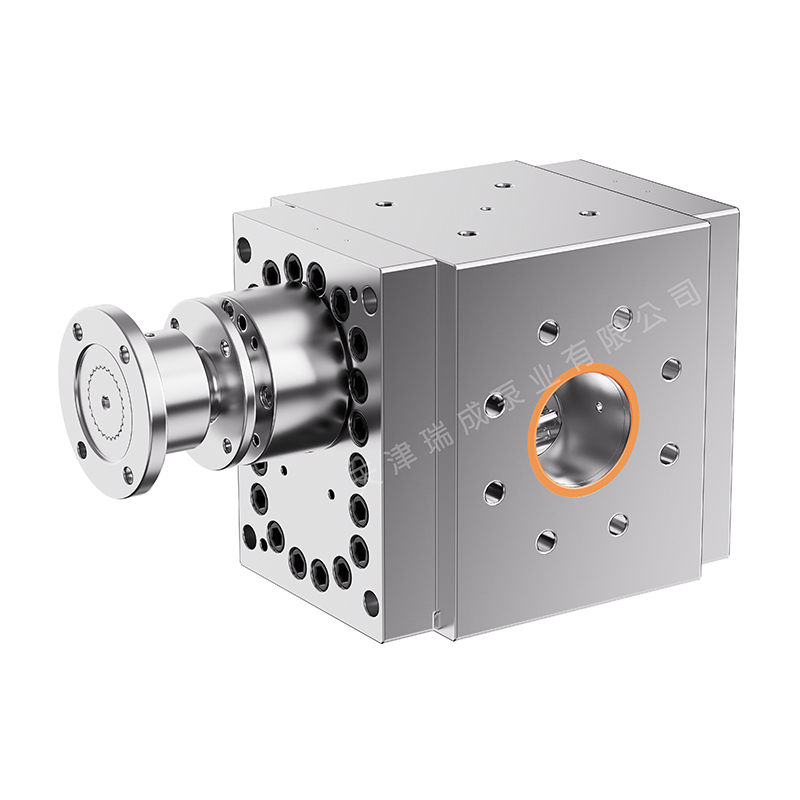
Therefore, melt pumps not only stabilize the extrusion process and improve product quality, but also help conserve energy, reduce consumption, extend equipment lifespan, and expand production applications, thereby comprehensively optimizing the operational efficiency of the extrusion system. Without a melt pump, an extruder cannot perform at its best, and the production line cannot achieve the goals of high efficiency, high quality, and low cost. Consequently, the melt pump has become an integral and indispensable core component of modern extrusion production, inseparable from the extruder itself.