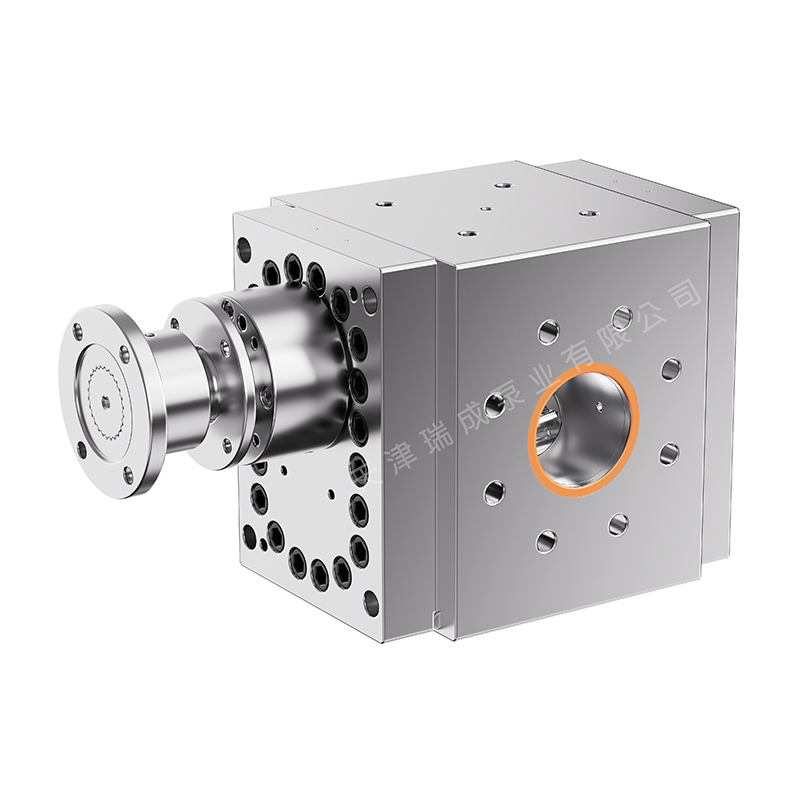
Melt pumps are widely used in production processes such as plastic extrusion, chemical fiber spinning, rubber processing, hot-melt adhesive coating, and polymer reactions, primarily performing tasks such as melt conveyance, flow metering, and pressure regulation. Since the gears, bushings, pump shaft, and sealing areas inside the pump rely on the material for lubrication and heat dissipation, melt pumps are not suitable for continuous operation without material.
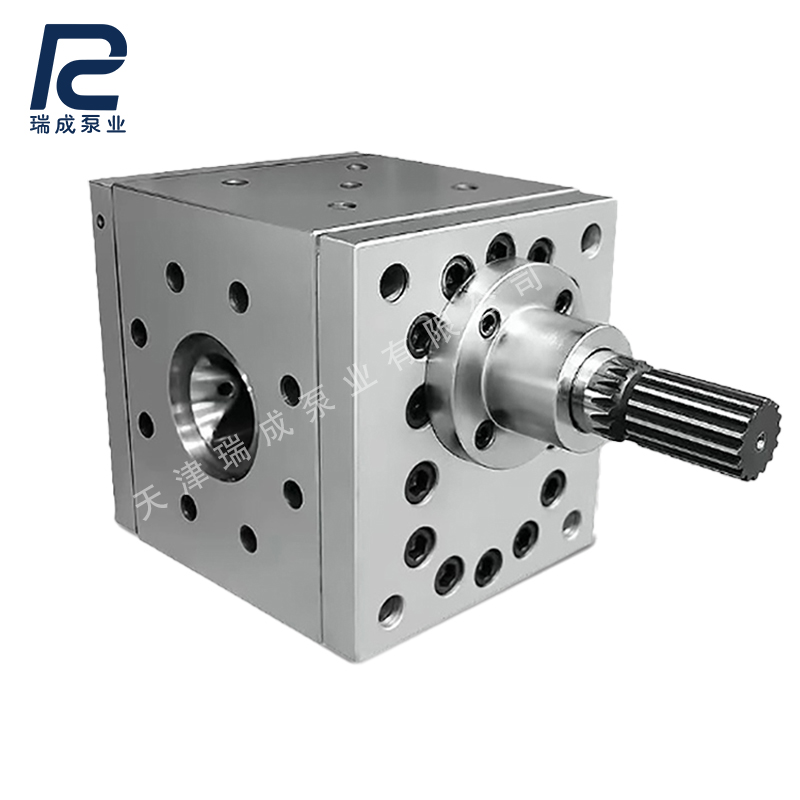
I. Accelerated Wear of Internal Components
When a melt pump is operating, the drive gear rotates the driven gear, and the polymer melt enters the gear teeth and is transported to the outlet. As the melt flows, it forms a lubricating film of a certain thickness between the gears, bushings, and pump shaft.
If there is no material in the pump chamber, the relevant components may come into direct contact, resulting in dry friction. Although brief intermittent operation may not immediately cause obvious damage, continuous dry running can accelerate wear on the gear end faces, shaft sleeves, and pump shaft, altering the original clearance between components.
II. Causes Localized Temperature Rise
During normal operation, the melt flowing through the pump chamber dissipates some of the frictional heat. In dry-running conditions, without material to aid in heat dissipation, localized temperature rises are likely to occur at the contact points between the gears and shaft sleeves.
The clearance between internal components of a melt pump is minimal, and different components expand at varying rates when heated. When local temperature fluctuations are significant, symptoms such as increased rotational resistance, elevated motor current, and abnormal noises may occur; in severe cases, seizure may even occur.
III. Impact on the Condition of Sealing Areas
Melt pumps typically use spiral seals, packing seals, or combination seals. Some sealing configurations also rely on the melt for lubrication and cooling. If the equipment operates without material for an extended period, the sealing areas may suffer wear due to friction and temperature rise, which in turn affects the sealing performance during subsequent production.
Therefore, before startup, it is essential not only to check whether the pump chamber has been filled with material but also to confirm that material can enter the pump body continuously, thereby preventing operation without material caused by an interruption in upstream supply.
IV. Impact on Subsequent Metering Stability
Melt pumps are positive-displacement conveying devices, and the theoretical volume discharged per revolution is relatively fixed. Internal clearances within the equipment can affect actual output volume and pressure-building capacity.
If dry running causes wear on gears, shaft sleeves, or the inner surfaces of the pump body, internal backflow may increase accordingly. When conveying high-viscosity polymers, this may manifest as fluctuations in outlet pressure, reduced flow stability, or increased metering deviations. Therefore, preventing dry running is also a critical aspect of maintaining the equipment’s conveying performance.
V. How to Properly Start a Melt Pump?
Before startup, the pump body, piping, and connections should be thoroughly preheated according to the material processing temperature. When the temperature has not reached the process requirements, do not force the pump to rotate or start it directly, to avoid excessive resistance from cold material, which would increase the load on the pump shaft and drive system.
Once the extruder or upstream equipment has fed material into the pump chamber, perform a low-speed intermittent operation first to confirm that the equipment’s rotation direction and operating noise are normal. Subsequently, start the pump at a low speed while monitoring the inlet pressure, outlet pressure, and motor current. Once material supply is continuous and pressure is stable, gradually adjust the speed to the level required for production.
When shutting down, the operating sequence of the extruder and the melt pump should be properly coordinated to prevent the melt pump from continuing to run for an extended period after upstream material supply has stopped. During material changeovers, cleaning, or maintenance, an operating plan should also be developed based on the characteristics of the material.
Conclusion
Running a melt pump dry can lead to issues such as dry friction, localized overheating, seal wear, and changes in metering performance. Proper preheating, priming, low-speed startup, and monitoring of operating parameters help reduce abnormal wear.
Tianjin Ruicheng Pump Industry Co., Ltd. can provide melt pump selection and configuration recommendations for plastic extrusion, chemical fiber, rubber, and chemical production lines based on parameters such as material viscosity, processing temperature, production flow rate, and inlet/outlet pressures. Specific configurations should be analyzed according to actual process conditions.